
Skin Checks Most South Florida Adults Dangerously Keep Skipping

Let's be honest about something: most people don't skip their skin check because they forgot. They skip it because nothing hurts yet. There's no pain, no fever, no reason it feels urgent. A dermatologist skin cancer screening ends up on the same list as "clean out the garage" — something you'll get to eventually.
The problem is that skin cancer doesn't wait for "eventually." Living anywhere in Miami-Dade, Broward, or Palm Beach County means your skin is absorbing intense, near-constant UV exposure almost every single day of the year, not just during a few summer months. That adds up fast, and it adds up quietly.
**Why South Florida Adults Are Especially at Risk**
If you live here, you probably spend more time outside than people in most other parts of the country — walking the dog, sitting on a patio, driving with the window cracked, picking up kids from practice. None of that feels like "sun exposure" the way a day at the beach does, but your skin doesn't know the difference. We've actually written about this before: everyday outdoor habits like patio dining are quietly aging and damaging your hands and neck, two areas people almost never think to check.
And it's not just sun worshippers who end up in our exam chairs. We see it in golfers, boaters, joggers, gardeners, and plenty of people who swear they "never really tan." Boating and fishing culture in South Florida carries a surprisingly high melanoma risk, largely because water reflects UV rays right back up at skin that's already catching it from above.
**What a Skin Cancer Screening Actually Looks Like**
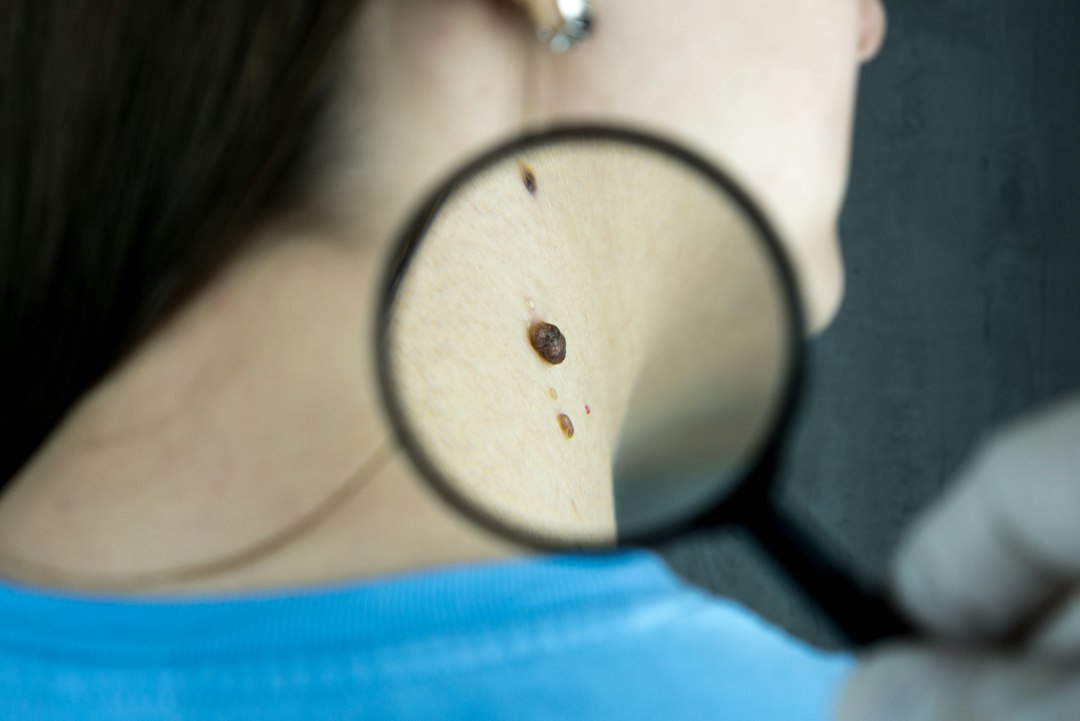
A lot of patients picture something invasive or embarrassing. In reality, a full-body skin exam is quick, respectful, and honestly pretty uneventful for most people — which is exactly the point. Dr. Ayar or a member of our team checks you head to toe, including spots people routinely forget: your scalp, your ears, between your toes, your back. We're looking for anything that's changed shape, size, color, or texture, and anything that just doesn't look like it belongs.
Some of what we catch isn't cancer at all, but it's still worth knowing about. Actinic keratosis is one of the most overlooked precancerous conditions we see, and it's incredibly common in sun-heavy climates like ours. Left untreated, these rough, scaly patches can progress into something more serious.
When we do find something that needs a closer look, we're not guessing. Many patients are surprised to learn about mole mapping technology and body mapping tools that let us track subtle changes over time — the kind of changes that are nearly impossible to notice on your own, especially in spots you can't easily see, like your scalp hidden under hair or the center of your back.
**The Three Skin Cancers Worth Knowing By Name**
You don't need a medical degree to protect yourself, but it helps to know what you're actually screening for:
- Basal cell carcinoma is the most common skin cancer we treat, and it's increasingly showing up in patients in their 30s, not just older adults.
- Squamous cell carcinoma often shows up on areas that get consistent sun exposure, including places people rarely apply sunscreen, like the lips and ears and neck.
- Melanoma is the one that gets talked about most, and for good reason — it's the most dangerous, but also one of the most treatable when it's caught early. Unfortunately, melanoma can also look completely different than people expect, including nodular melanoma, which doesn't always follow the "ABCDE" rules most people have heard about.
Early detection genuinely changes outcomes here. It's also worth knowing that risk doesn't disappear once something's been treated. Melanoma survivors face a higher recurrence risk, which is exactly why ongoing screenings matter even after a clean bill of health.
**"But My Skin Tone Protects Me"**
This is one of the most common — and most dangerous — assumptions we hear. Darker skin tones absolutely can and do develop melanoma, and diagnoses in darker skin are too often caught later simply because patients and even some providers aren't looking as closely. The same goes for less common conditions that masquerade as something else; patients and even urgent care providers sometimes confuse early lesions with normal moles, which is part of why botched urgent care mole removals keep sending people to dermatologists for proper evaluation after the fact.
**How Often You Actually Need One**
If you have a personal or family history of skin cancer, fair skin, a history of sunburns, or you simply spend a lot of time outside (which, if you live here, you probably do), an annual screening is the general recommendation. If you've had a skin cancer before, your follow-up schedule will likely be more frequent — your dermatologist will map that out with you directly.
The appointment itself takes less time than most people expect, and our patients consistently tell us they left feeling relieved they finally did it, not dreading the next one. As one patient put it, they "left feeling reassured, informed, and most of all, grateful" — which is exactly the goal.
**Finding a Broward Dermatologist Who Takes This Seriously**
Whether you're searching for a trusted broward dermatologist near Parkland and Tamarac, or looking into skin cancer screening Miami options closer to home, Dermatology Experts offers the same thorough, judgment-free full-body exam at every location. Dr. Ayar trained at one of the top dermatology programs in the country and has built a practice around real expertise without the pretension — no medspa gloss, no corporate conveyor belt, just careful attention to your skin.
If it's been more than a year since your last skin check — or you've genuinely never had one — that's reason enough to schedule it. Not because something is definitely wrong, but because you deserve to know for certain that it isn't.
Blog
More from The Derm Journal
Read the latest insights on skin health and dermatology.

Offices
Locations
Visit us in South Florida at any of our three convenient locations