
Basal Cell Carcinoma
You found something on your skin that doesn't look quite right. Getting it checked promptly is the best thing you can do, and we're here to make that process straightforward and reassuring.
Before and after gallery
Real results from honest, board-certified dermatology in South Florida
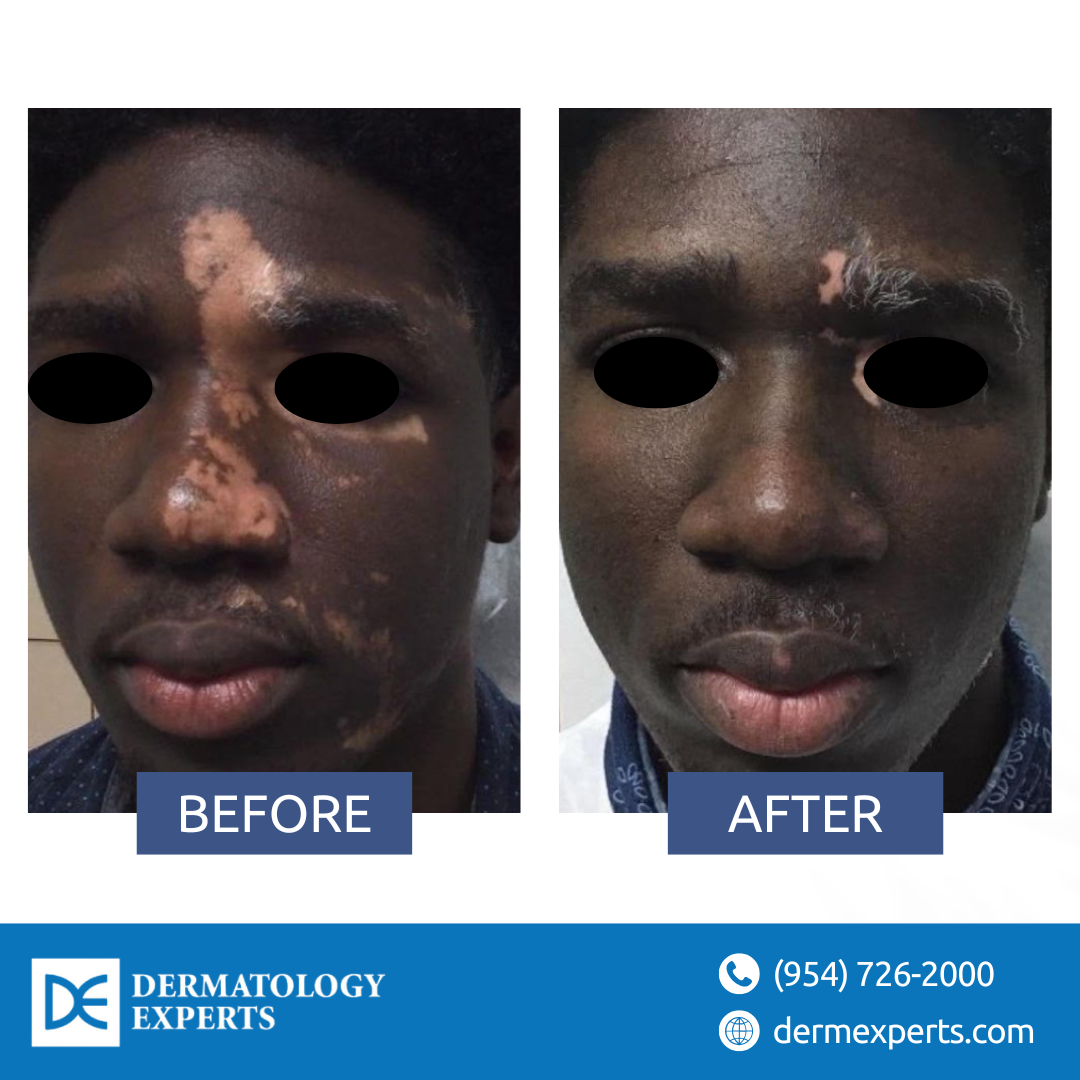
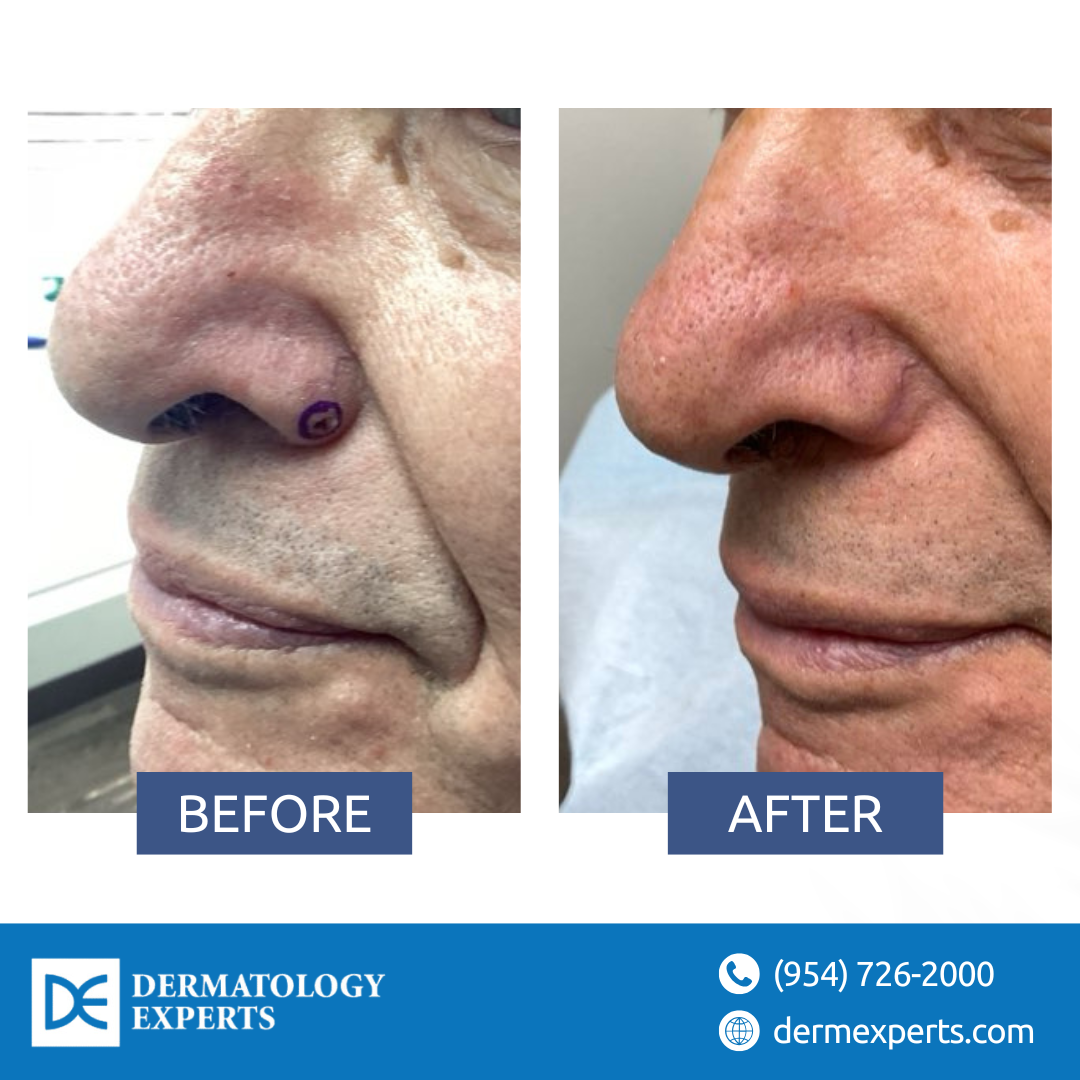
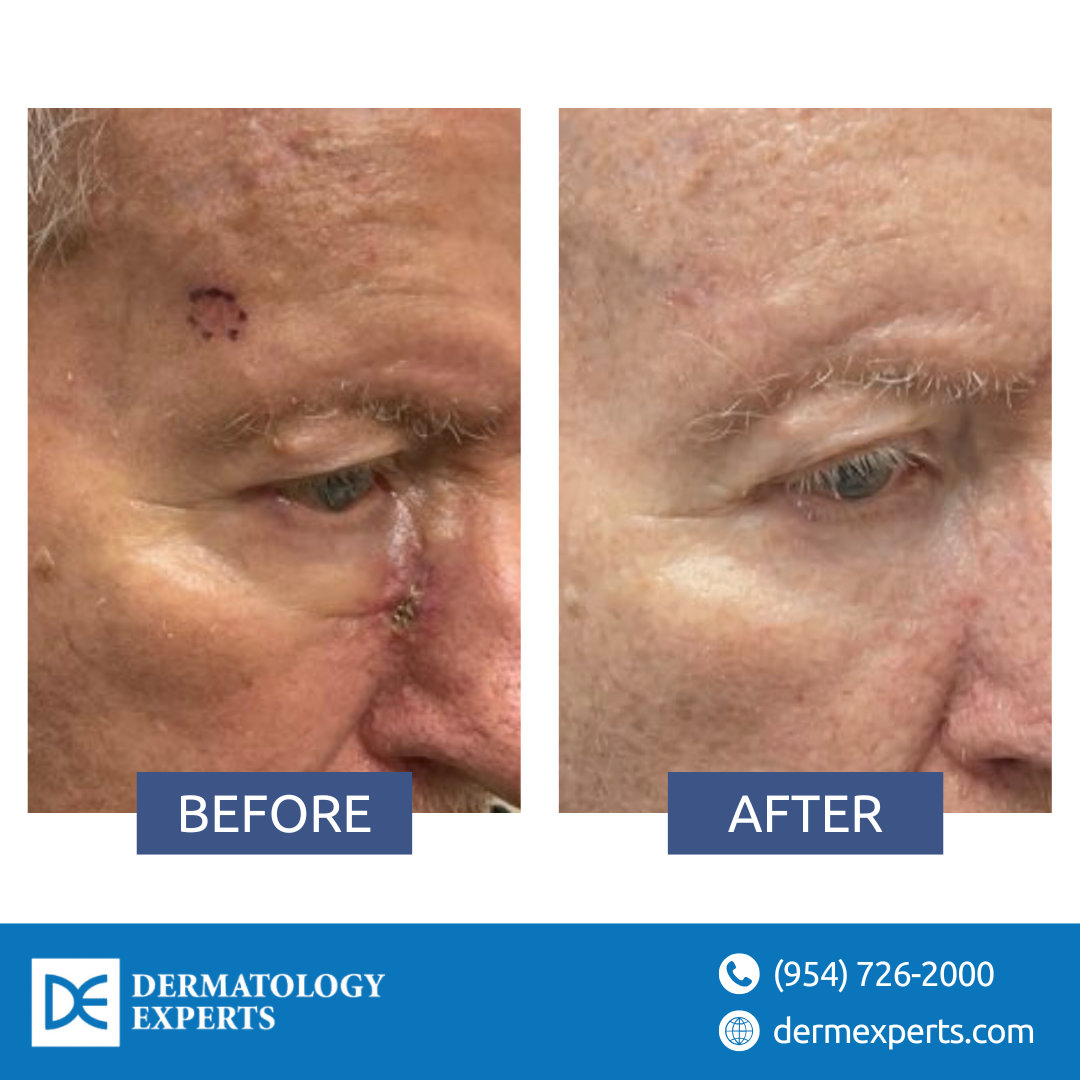
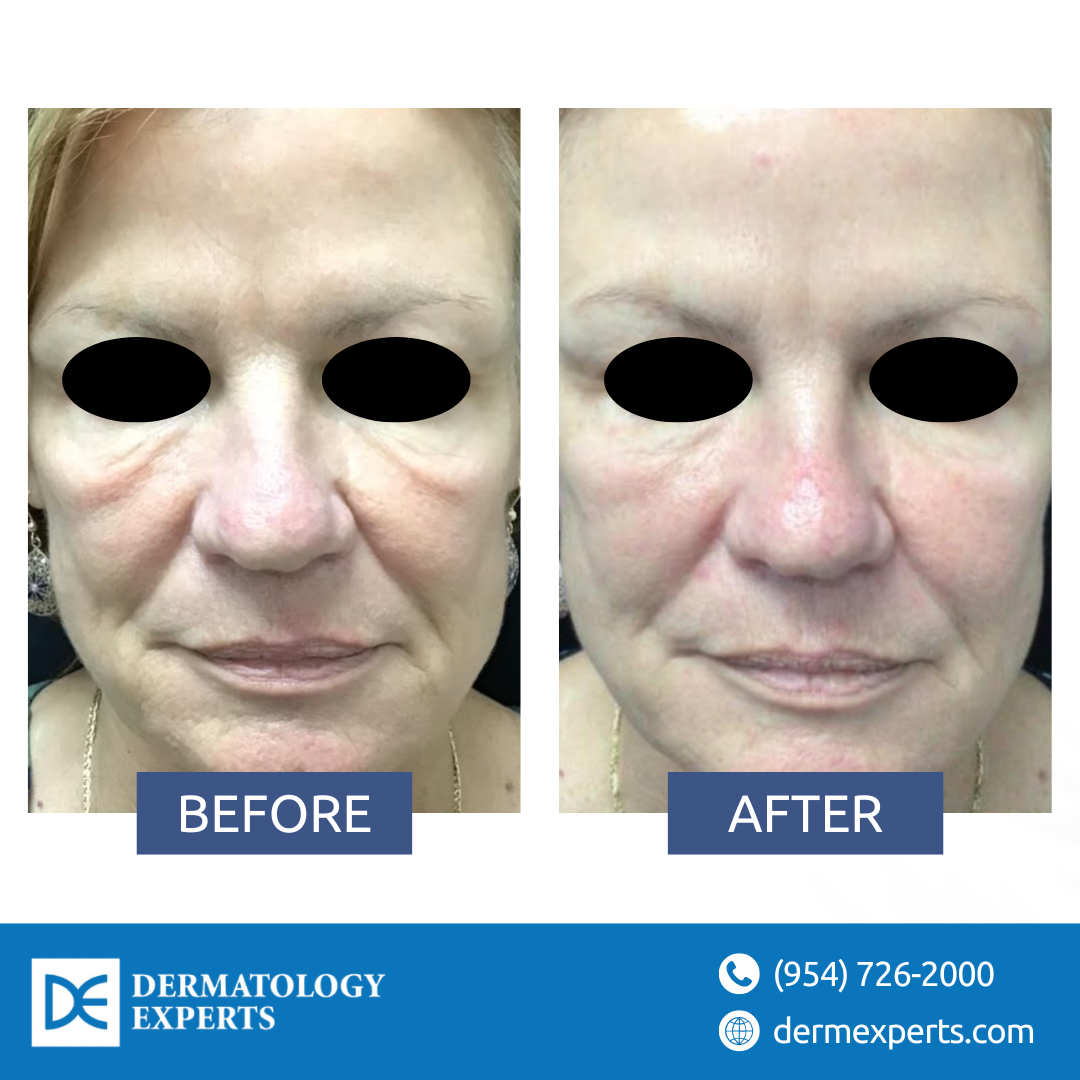
Something Showed Up on Your Skin. Here's What to Do Next.
South Florida's year-round sunshine is one of the best things about living here. It's also one of the reasons skin cancer is more common in this region than almost anywhere else in the country. Basal cell carcinoma is the most frequently diagnosed form of skin cancer in the United States, and patients across Miami-Dade, Broward, and Palm Beach Counties are diagnosed with it every day. The good news is that when it's caught and treated early, basal cell carcinoma is highly manageable. You don't need to panic. You need a plan, and a dermatologist you trust.
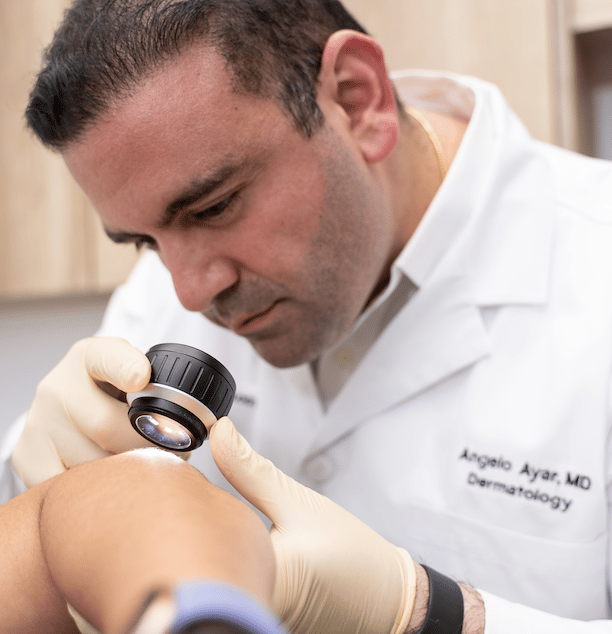
At Dermatology Experts, Dr. Angelo Ayar and his team see basal cell carcinoma regularly. We know how to identify it, how to confirm a diagnosis, and how to treat it with the precision and care your skin deserves. Same-day appointments are available at our Tamarac, Parkland, and Miami offices, so you don't have to sit with uncertainty for long.
What Is Basal Cell Carcinoma?
Basal cell carcinoma, often called BCC, is a type of skin cancer that begins in the basal cells, which are found in the deepest layer of the outer skin. It typically develops in areas that receive the most sun exposure over a lifetime, though it can appear anywhere on the body. Unlike some other cancers, basal cell carcinoma rarely spreads to other parts of the body. However, it can grow deeper into surrounding tissue if left untreated, which is why early evaluation matters.
- Most common skin cancer: BCC accounts for roughly 80 percent of all skin cancer diagnoses in the U.S.
- Slow-growing: It typically develops over months or years, not days
- Sun-related: Cumulative UV exposure is the primary driver, making South Florida residents particularly susceptible
- Highly treatable: When diagnosed early, the cure rate is very high with appropriate treatment
- Common locations: Face, nose, ears, scalp, shoulders, and neck are frequent sites, though BCC can appear anywhere
- Variable appearance: May look like a pearly or translucent bump, a flat scar-like lesion, a pink growth, or a sore that repeatedly heals and reopens
Because basal cell carcinoma can look like many other benign skin conditions, the only way to confirm a diagnosis is through a biopsy. If you've noticed something unusual on your skin, a professional evaluation is always the right first step.
What to Expect: Diagnosis and Treatment at Dermatology Experts
From your first visit through the completion of treatment, our team walks alongside you at every step. Here's what the process typically looks like.
Initial Evaluation:
- Dr. Ayar performs a thorough skin exam, reviewing the area of concern and any other suspicious spots
- If a lesion looks concerning, a skin biopsy is performed in-office during the same visit in most cases
- The biopsy sample is sent to a pathology lab for analysis, and results typically return within one to two weeks
Biopsy Procedure:
- A small amount of local anesthetic is used, so the area is numb before anything begins
- Most biopsies take only a few minutes
- A small bandage covers the site, and downtime is minimal for most patients
Treatment Options (once diagnosis is confirmed):
- Mohs Micrographic Surgery: The gold standard for BCCs on the face, ears, nose, and other cosmetically sensitive or high-risk areas. Dr. Ayar performs Mohs surgery in-office, removing cancerous tissue layer by layer while preserving as much healthy skin as possible. Cure rates for Mohs surgery are among the highest available for skin cancer
- Excision: Surgical removal of the tumor with a margin of healthy tissue around it. A common and effective approach for many BCCs on the body
- Electrodessication and Curettage (ED&C): A scraping and cauterizing technique often used for superficial or low-risk BCCs
- Topical Treatments: Prescription creams such as imiquimod or 5-fluorouracil may be appropriate for certain superficial BCCs
- Radiation Therapy: May be recommended in specific cases, typically for patients who are not candidates for surgery
Your treatment plan will depend on the size, location, and subtype of the basal cell carcinoma, as well as your overall health and skin history. Dr. Ayar will review all options with you clearly and help you understand which approach fits your situation best.
What Results Can You Realistically Expect?
Basal cell carcinoma responds well to treatment when addressed early. Most patients experience complete clearance of the treated area with minimal disruption to their daily routine.
- Mohs surgery cure rates for primary BCC are reported at 99 percent or higher in many studies, making it the most effective option for high-risk lesions
- Healing after excision or Mohs typically takes two to four weeks for the surface wound, with final scar maturation over several months
- Topical treatments require consistent daily application over several weeks and are appropriate only for select cases
- Scarring is possible with any form of treatment, though Mohs surgery is specifically designed to minimize tissue removal and preserve cosmetic outcomes
- Follow-up care matters: Patients who have had one BCC have a higher risk of developing another. Annual skin exams, and often more frequent monitoring, are an important part of ongoing care
Many patients tell us they feel significant relief once they understand what they're dealing with and have a clear treatment path. Uncertainty is often harder than the procedure itself.
Who Is This For?
Basal cell carcinoma can affect anyone, but certain factors increase a person's risk. You may benefit from an evaluation at Dermatology Experts if you:
- Have a lesion, bump, sore, or discoloration that hasn't healed after several weeks
- Notice a spot that bleeds easily, even with minor contact or no trauma at all
- Have fair skin, light eyes, or a history of significant sun exposure or sunburns
- Have been diagnosed with BCC or another skin cancer in the past
- Have a family history of skin cancer
- Have spent years living or working outdoors in Florida or other high-UV environments
- Were told by another provider that a spot "looks suspicious" and haven't yet had it evaluated
- Have a history of indoor tanning or significant UV exposure over your lifetime
You don't need to wait until something looks alarming. If something feels off, a same-day consultation is available, and peace of mind has real value.
Frequently Asked Questions
Is basal cell carcinoma dangerous?
Basal cell carcinoma is the least aggressive form of skin cancer, and it very rarely spreads to other parts of the body. However, it can grow deeper into surrounding tissue, nerves, and bone if left untreated for an extended period. On the face in particular, an untreated BCC can cause significant local damage over time. The encouraging reality is that when diagnosed and treated early, BCC has an excellent prognosis and most patients do very well with treatment.
What does basal cell carcinoma look like?
BCC can appear in several different ways, which is one reason it's easy to overlook or mistake for something benign. It may look like a small, shiny or pearlescent bump, a flat scar-like patch, a pink or reddish growth, or a sore that heals and then returns. Some BCCs have small visible blood vessels on the surface. If you have a spot that seems unusual, changes over time, or just doesn't heal the way you'd expect, that's reason enough to have it looked at by a dermatologist.
How is basal cell carcinoma diagnosed?
A skin biopsy is the only definitive way to diagnose basal cell carcinoma. During your visit, Dr. Ayar will examine the area of concern and any other suspicious spots on your skin. If a biopsy is recommended, the area is numbed with a local anesthetic and a small tissue sample is taken. The sample is sent to a pathology lab, and results are typically available within one to two weeks. The biopsy itself is a quick, in-office procedure with minimal downtime for most patients.
Does Mohs surgery leave a scar?
Any surgical procedure that removes tissue from the skin will leave some degree of scarring, and Mohs surgery is no exception. However, Mohs is specifically designed to remove the smallest amount of tissue necessary to clear the cancer, which means it tends to produce better cosmetic outcomes than wider excisions, especially in sensitive areas like the nose, eyelids, and ears. Dr. Ayar takes care to close wounds in a way that minimizes scarring, and scar appearance typically continues to improve over several months following surgery.
Will insurance cover basal cell carcinoma treatment?
In most cases, yes. Basal cell carcinoma diagnosis and treatment are considered medically necessary procedures and are generally covered by health insurance, including Medicare. Your specific coverage will depend on your plan, deductible, and whether our offices participate in your network. Our team can help you understand your coverage before your appointment. Treatment costs may also be eligible for payment through an HSA or FSA account. We encourage you to call us at (954) 726-2000 with any billing questions before your visit.
Why Choose Dermatology Experts for Basal Cell Carcinoma Care?
When it comes to skin cancer, where you receive your care matters. Dr. Angelo Ayar is a double board-certified dermatologist who completed his residency at the University of Michigan, one of the most respected dermatology training programs in the country. He also completed a dedicated research fellowship focused on skin cancer, which means BCC and other skin cancers are not simply part of his practice. They are a clinical focus he has studied at a deep level.
- Mohs surgery performed in-office: Dr. Ayar performs Mohs micrographic surgery directly at Dermatology Experts, so you receive the gold-standard treatment for high-risk BCCs without being referred out to a separate surgical center
- Full-spectrum dermatology under one roof: From initial biopsy through surgery and follow-up skin exams, your entire care can take place within our practice
- Three convenient South Florida locations: Tamarac, Parkland, and Miami, serving patients throughout Broward County, Miami-Dade County, Coral Springs, Fort Lauderdale, Pompano Beach, and Boca Raton
- Over 500 five-star reviews: Patients consistently describe Dr. Ayar and his team as warm, thorough, and genuinely caring, even during procedures that feel intimidating
- Same-day appointments available: You don't have to wait weeks to have something evaluated. We make it easy to get seen quickly when something concerns you
- Deep understanding of South Florida skin: Years of cumulative UV exposure in this region creates unique risks that our team understands and monitors carefully
Many patients who come to us for a suspicious spot tell us they had been putting off the visit out of worry or uncertainty. Almost universally, they tell us afterward that they wish they had come sooner, not because the news was good or bad, but because knowing is always better than wondering.
Ready to Get That Spot Checked?
If something on your skin has been bothering you, or if it's simply been a while since your last full skin exam, there is no better time than now. Early detection makes everything easier, and our team is here to make the experience as calm and straightforward as possible.
Call Dermatology Experts today at (954) 726-2000 to schedule your evaluation. Same-day appointments are frequently available at our Tamarac, Parkland, and Miami locations. If you have an HSA or FSA account, those funds can typically be applied toward your visit. You don't have to figure this out alone. We're here when you're ready.