
Melanoma
A melanoma diagnosis is frightening. At Dermatology Experts, you'll get fast answers, compassionate care, and a specialist who knows exactly what to do next.
Before and after gallery
Real results from honest, board-certified dermatology in South Florida

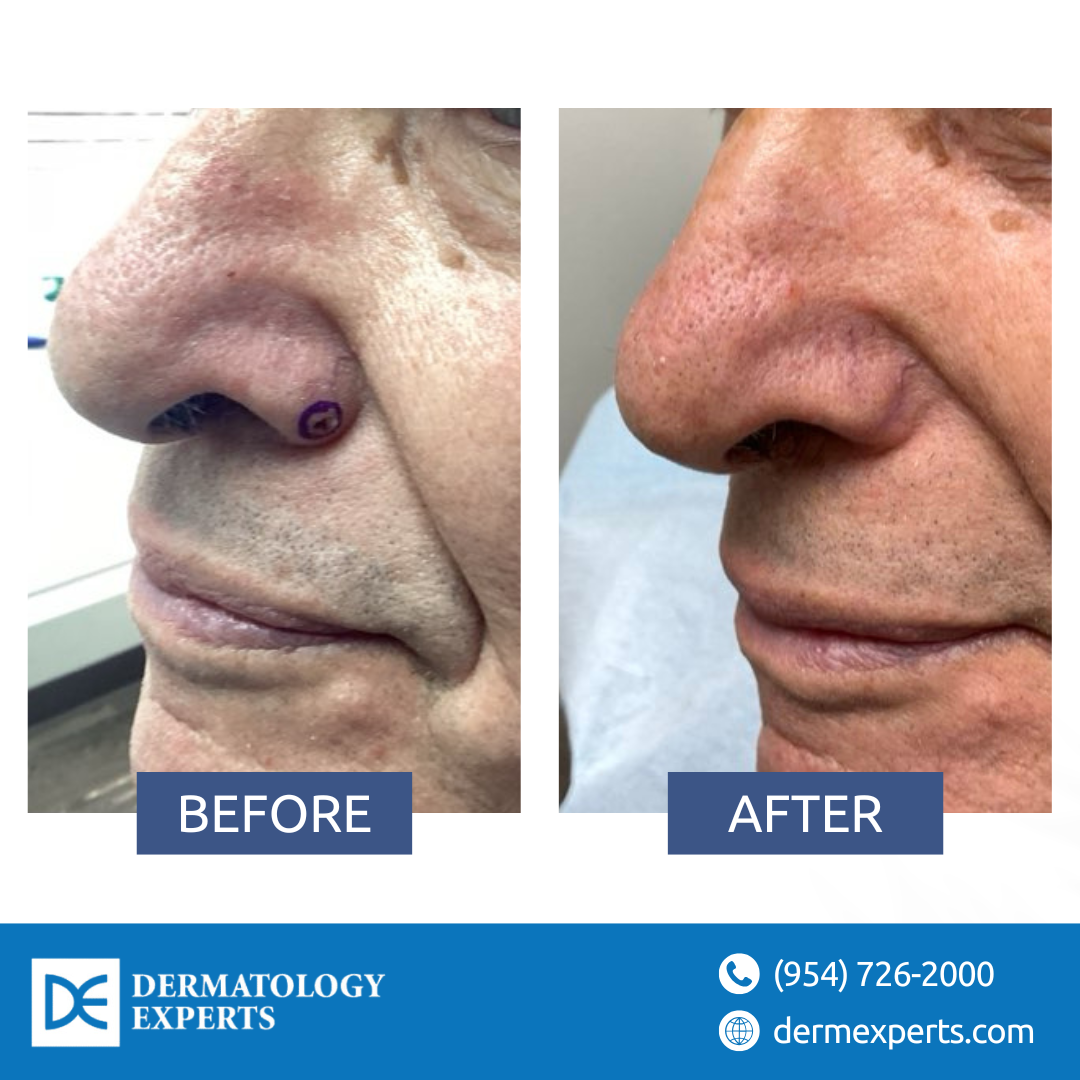
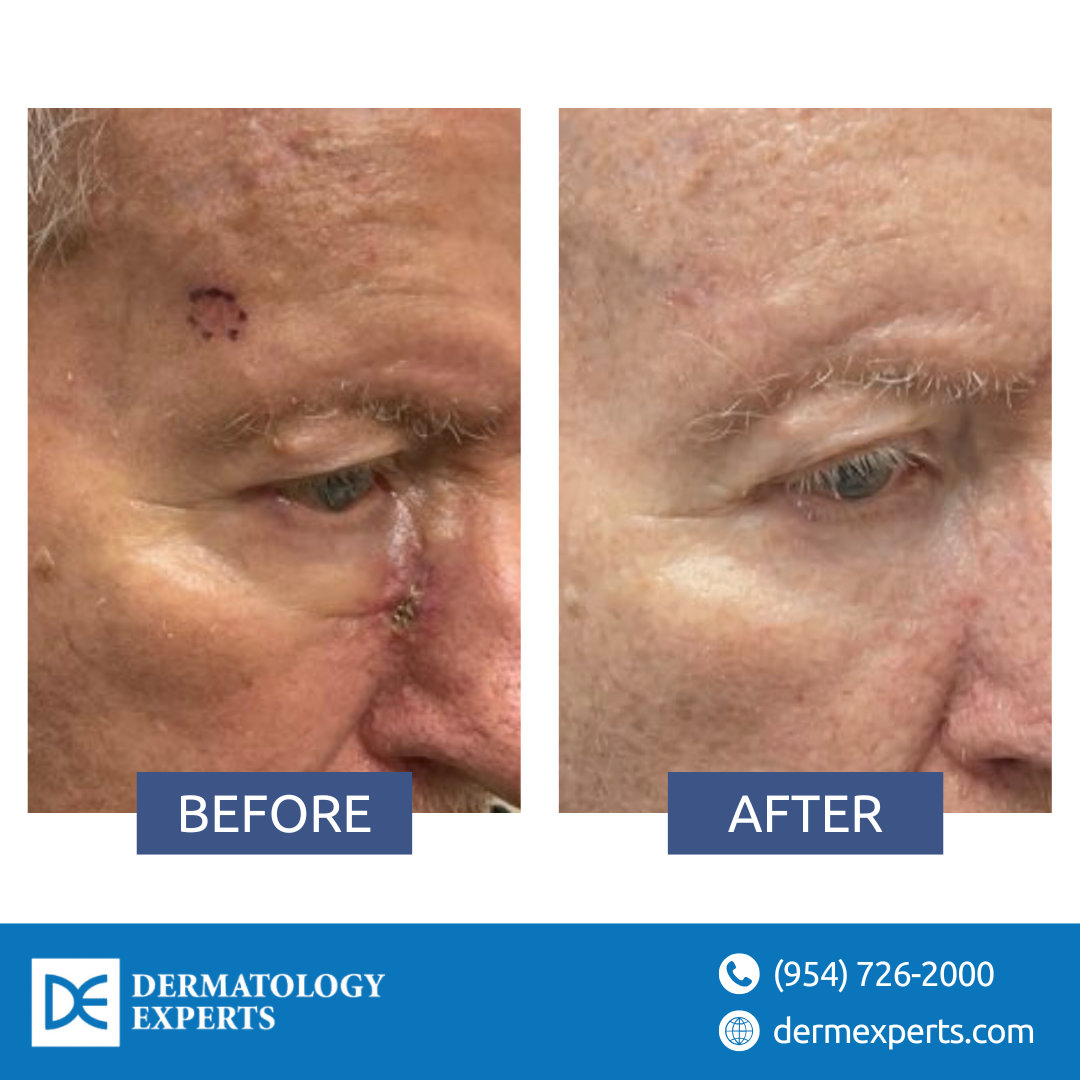
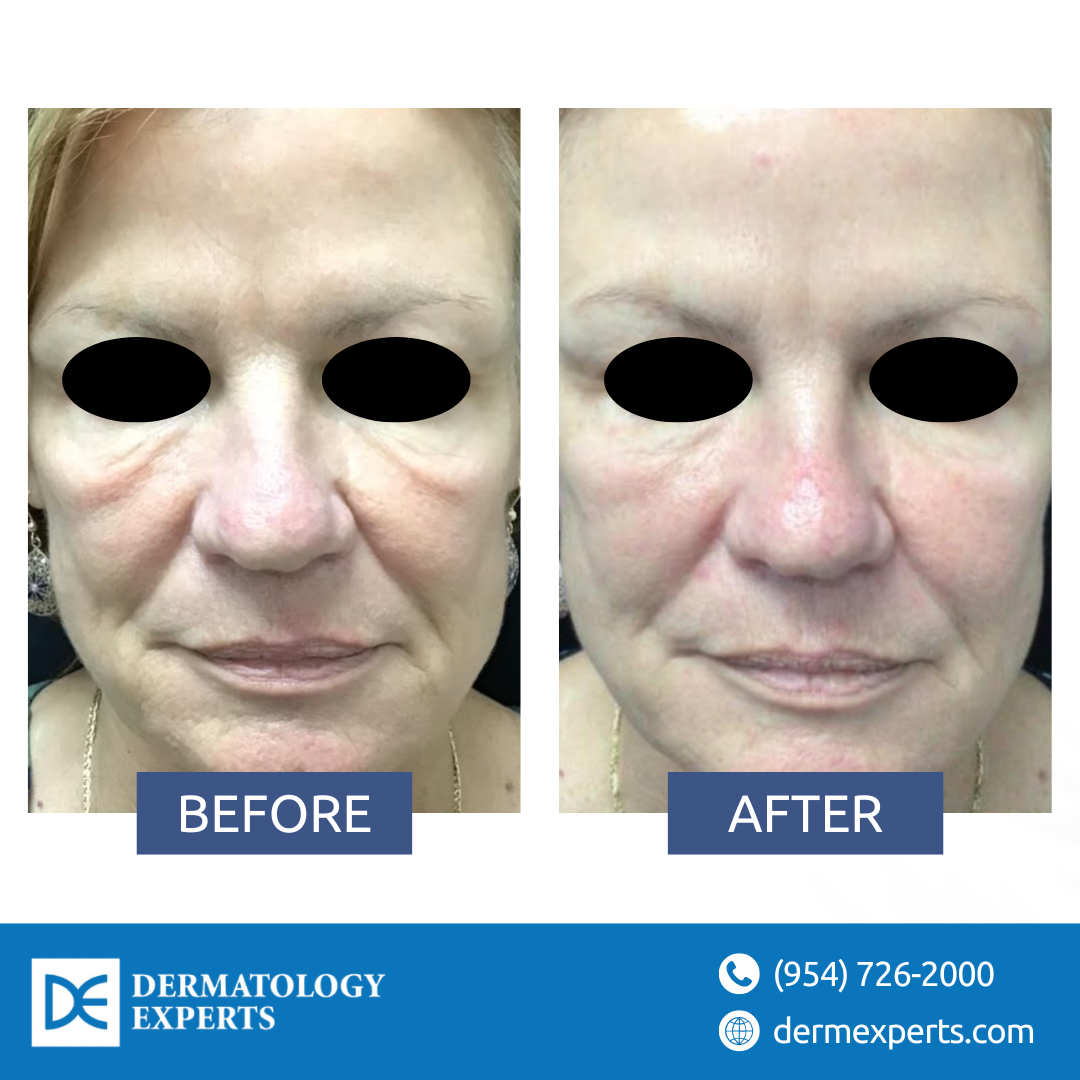
When a Mole or Spot Has You Worried
South Florida's year-round sun is one of the reasons people love living here. It's also one of the reasons melanoma rates in this region remain a serious concern. Whether you've noticed a changing mole, received an unexpected biopsy result, or been told you're at high risk, one thing matters most right now: getting in front of a specialist who can give you clear answers and a real plan.
Melanoma is the most serious form of skin cancer, but it is also one of the most treatable cancers when caught early. At Dermatology Experts, Dr. Angelo Ayar sees melanoma patients across our Tamarac, Parkland, and Miami locations. You won't be passed around or left waiting for weeks. Same-day appointments are available, because when something looks wrong, it shouldn't wait.
What Is Melanoma?
Melanoma is a type of skin cancer that begins in the melanocytes, the cells responsible for producing pigment in your skin. Unlike the more common basal cell or squamous cell carcinomas, melanoma has a higher likelihood of spreading to other parts of the body if not identified and treated promptly. That's what makes early detection and expert evaluation so important.
- Where it appears: Most commonly on areas with significant sun exposure, including the back, shoulders, face, and legs, but melanoma can develop anywhere on the body, even on skin that's rarely seen by the sun
- What it looks like: Often identified using the ABCDE rule: Asymmetry, Border irregularity, Color variation, Diameter larger than a pencil eraser, and Evolution or change over time
- Risk factors: Prolonged UV exposure, history of sunburns, fair skin, personal or family history of melanoma, use of tanning beds, and a large number of moles
- Subtypes: Superficial spreading melanoma is the most common type, though nodular, lentigo maligna, and acral lentiginous melanoma also occur and may present differently
- Staging: Melanoma is staged from 0 to IV based on thickness, depth, and whether it has spread. Stage and thickness at diagnosis directly influence treatment and outcomes
Living in South Florida means significantly more lifetime UV exposure than most of the country. That makes annual skin exams and prompt evaluation of any suspicious spots a genuine priority, not just a precaution.
What to Expect at Your Appointment
Coming in with a concern about a mole or a recent diagnosis can feel overwhelming. Dr. Ayar and the team at Dermatology Experts work to make sure you leave every appointment feeling informed, not more anxious. Here's what the process typically looks like:
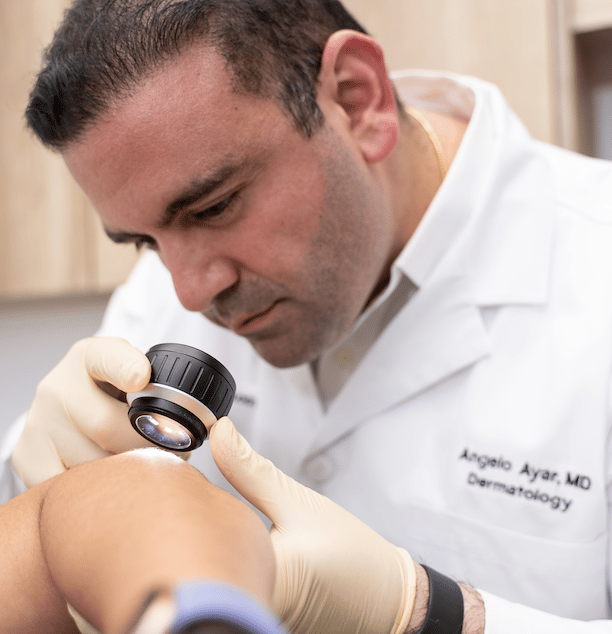
- Full skin examination: Dr. Ayar will perform a thorough skin exam, evaluating any areas of concern using dermoscopy, a specialized magnification tool that allows for detailed visualization of lesions beneath the surface
- Biopsy: If a lesion appears suspicious, a skin biopsy is performed in-office. This is a straightforward procedure that typically takes only a few minutes and involves a small numbing injection before any tissue is removed
- Pathology results: Biopsy samples are sent to a dermatopathology lab. Results typically return within one to two weeks. Dr. Ayar's team will contact you directly to discuss findings and next steps
- If melanoma is confirmed: Treatment planning begins immediately. Depending on the stage and thickness of the melanoma, this may involve a wide local excision, sentinel lymph node evaluation coordinated with a surgical oncologist, or a referral for systemic therapy when appropriate
- Surgical treatment in-office: Many early-stage melanomas are treated surgically at Dermatology Experts. Wide local excision removes the melanoma along with a margin of surrounding normal tissue to reduce the risk of recurrence
- Ongoing monitoring: After treatment, regular follow-up skin exams are an essential part of your care plan. Melanoma survivors have an elevated risk of developing additional skin cancers, making long-term surveillance important
What Results Look Like
The outcome of melanoma treatment depends significantly on how early it is caught. That's not meant to frighten you. It's meant to underscore how important it is to act quickly on anything that looks or feels different on your skin.
- Early-stage melanoma (Stage 0 and Stage I): When melanoma is caught before it has grown deep or spread, surgical excision can be highly effective. Many patients with early-stage melanoma go on to live full, healthy lives with regular monitoring
- Surgical margins: After wide local excision, you will receive information on your pathology margins. Clear margins mean the melanoma was fully removed. If margins are not clear, additional surgery may be recommended
- Healing after excision: Most patients heal within two to four weeks after surgical treatment. Scarring is possible depending on the size and location of the excision, and Dr. Ayar will discuss what to expect based on your specific case
- Later-stage melanoma: Patients with more advanced melanoma are referred to appropriate oncology specialists for additional treatment, which may include immunotherapy, targeted therapy, or radiation. Dr. Ayar coordinates closely with oncologists across South Florida to make sure your care is seamless
- Surveillance: Patients treated for melanoma typically return for full-body skin exams every three to six months for the first few years, transitioning to annual exams over time based on individual risk
Who Should Be Evaluated for Melanoma
You don't need a confirmed diagnosis to come in. If any of the following applies to you, an appointment with Dr. Ayar is a smart and important step:
- You've noticed a mole that has changed in size, shape, or color in recent weeks or months
- You have a spot that bleeds, itches, or doesn't heal
- You have a personal or family history of melanoma
- You have a large number of moles or a history of atypical moles
- You've had significant sun exposure over your lifetime, including time spent outdoors in South Florida's intense UV environment
- You've used tanning beds at any point in your life
- You've had one or more severe sunburns, particularly in childhood or adolescence
- You haven't had a professional full-body skin exam in more than a year
- You've already been diagnosed with melanoma and need ongoing monitoring or a second opinion
You don't need a referral to be seen. A call or online request is all it takes to get started.
Frequently Asked Questions About Melanoma
How do I know if a mole is melanoma or just a regular mole?
The most reliable answer is one that only a trained dermatologist can give after a direct examination, but a useful starting point is the ABCDE rule: Asymmetry, Border irregularity, Color variation, Diameter larger than 6 millimeters, and Evolution over time. If a spot is changing, stands out from your other moles, or simply doesn't look right to you, that alone is reason enough to come in. Dr. Ayar can evaluate the spot using dermoscopy and determine whether a biopsy is warranted. Trusting your instincts about your own skin is always the right call.
What happens after a melanoma biopsy comes back positive?
If your biopsy confirms melanoma, Dr. Ayar will review the pathology report with you in detail, including the thickness and depth of the melanoma, which are key factors in determining the next steps. For many early-stage cases, the treatment involves a wide local excision performed right here in our office. If the melanoma is thicker or there are concerns about spread, Dr. Ayar will coordinate with oncology specialists to make sure you're connected to the right care quickly. You won't be left to figure out next steps on your own.
Is melanoma treatment covered by insurance?
Melanoma evaluation and treatment are medical procedures and are typically covered by most health insurance plans, including Medicare and Medicaid, when medically necessary. You may be responsible for co-pays or deductibles depending on your individual plan. HSA and FSA funds are generally eligible for use toward medical dermatology visits and procedures. Our team can help verify your benefits before your appointment so there are no surprises.
How often should I be checked for skin cancer if I've already had melanoma?
After a melanoma diagnosis and treatment, most patients are placed on a surveillance schedule that involves full-body skin exams every three to six months for the first two to three years, followed by annual exams over time. The specific schedule depends on the stage of your original melanoma and your individual risk factors. Regular monitoring is one of the most important things you can do to protect your long-term health, and Dr. Ayar's team will make sure that schedule is clear and easy to maintain.
Can melanoma develop in places that never see the sun?
Yes, and this is one of the reasons a full-body skin exam with a professional is so valuable. Melanoma can develop on the scalp beneath hair, on the soles of the feet, between the toes, under fingernails or toenails, and on mucous membranes. These locations are easy to overlook during a self-exam. Acral lentiginous melanoma, a subtype that commonly affects the palms and soles, is not related to UV exposure at all. A thorough head-to-toe exam by Dr. Ayar covers every area your own eyes can't easily reach.
Why Patients Choose Dermatology Experts for Melanoma Care
When the words "skin cancer" come up, who is doing your evaluation matters. At Dermatology Experts, you're seen by Dr. Angelo Ayar, a double board-certified dermatologist who completed his residency at the University of Michigan, one of the country's most respected dermatology training programs, and completed a dedicated research fellowship in skin cancer. This isn't general dermatology with skin cancer tacked on as a side offering. Skin cancer detection, diagnosis, and surgical treatment are at the center of what Dr. Ayar does.
- Specialized training: Dr. Ayar's University of Michigan residency and skin cancer research fellowship give him a depth of expertise that directly benefits patients with melanoma concerns
- Surgical capability in-office: Many melanoma excisions can be performed right at our Tamarac, Parkland, or Miami offices, avoiding the delays and complexity of hospital referrals for straightforward surgical cases
- Coordinated care: For patients who need oncology input, Dr. Ayar works collaboratively with specialists across South Florida to make sure your care is connected and well-managed
- Three convenient locations: Whether you're in Broward County, Miami-Dade, or the greater Fort Lauderdale, Coral Springs, or Boca Raton area, there's a Dermatology Experts office close to you
- Same-day appointments: Melanoma concerns shouldn't sit on a waitlist. We offer same-day availability because timely evaluation matters
- Over 500 five-star reviews: Patients consistently describe feeling cared for, heard, and at ease, even during procedures that could otherwise feel frightening
You deserve a dermatologist who takes your concern seriously from the first phone call. That's what this practice is built on.
Schedule Your Melanoma Evaluation Today
If something on your skin has changed, or if it's simply been too long since your last full-body skin exam, today is the right time to call. Early detection is the most powerful tool available when it comes to melanoma, and a single appointment can give you real answers and real peace of mind.
Call Dermatology Experts at (954) 726-2000 to schedule your evaluation. Same-day appointments are available at our Tamarac, Parkland, and Miami locations. HSA and FSA funds are eligible for use toward your visit. Dr. Ayar and the entire team are ready to make sure you feel seen, informed, and genuinely cared for from the moment you walk in.