
Atopic Dermatitis (Eczema)
Struggling with dry, itchy, inflamed skin that just won't settle down? You're not alone, and you don't have to keep guessing at the cause.
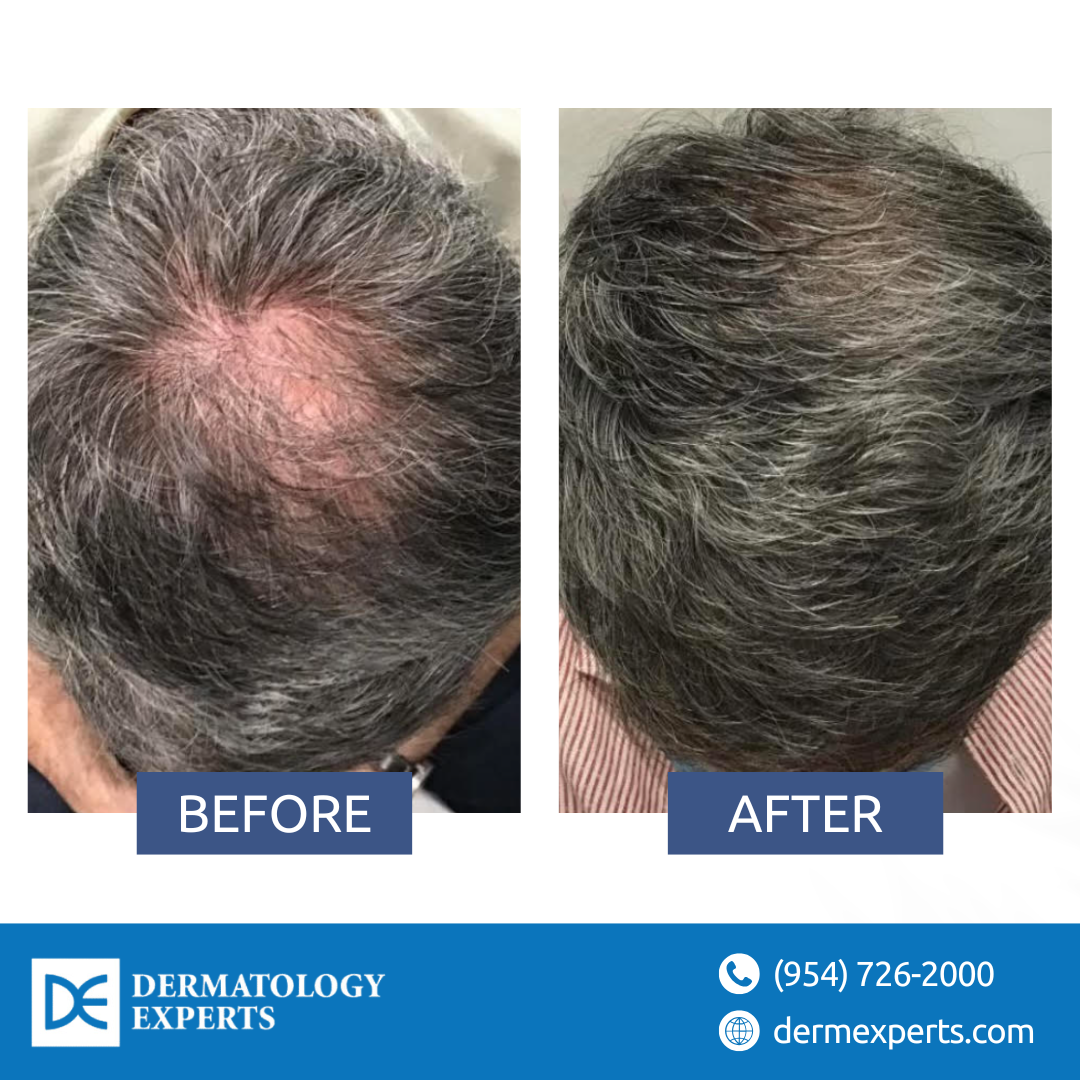
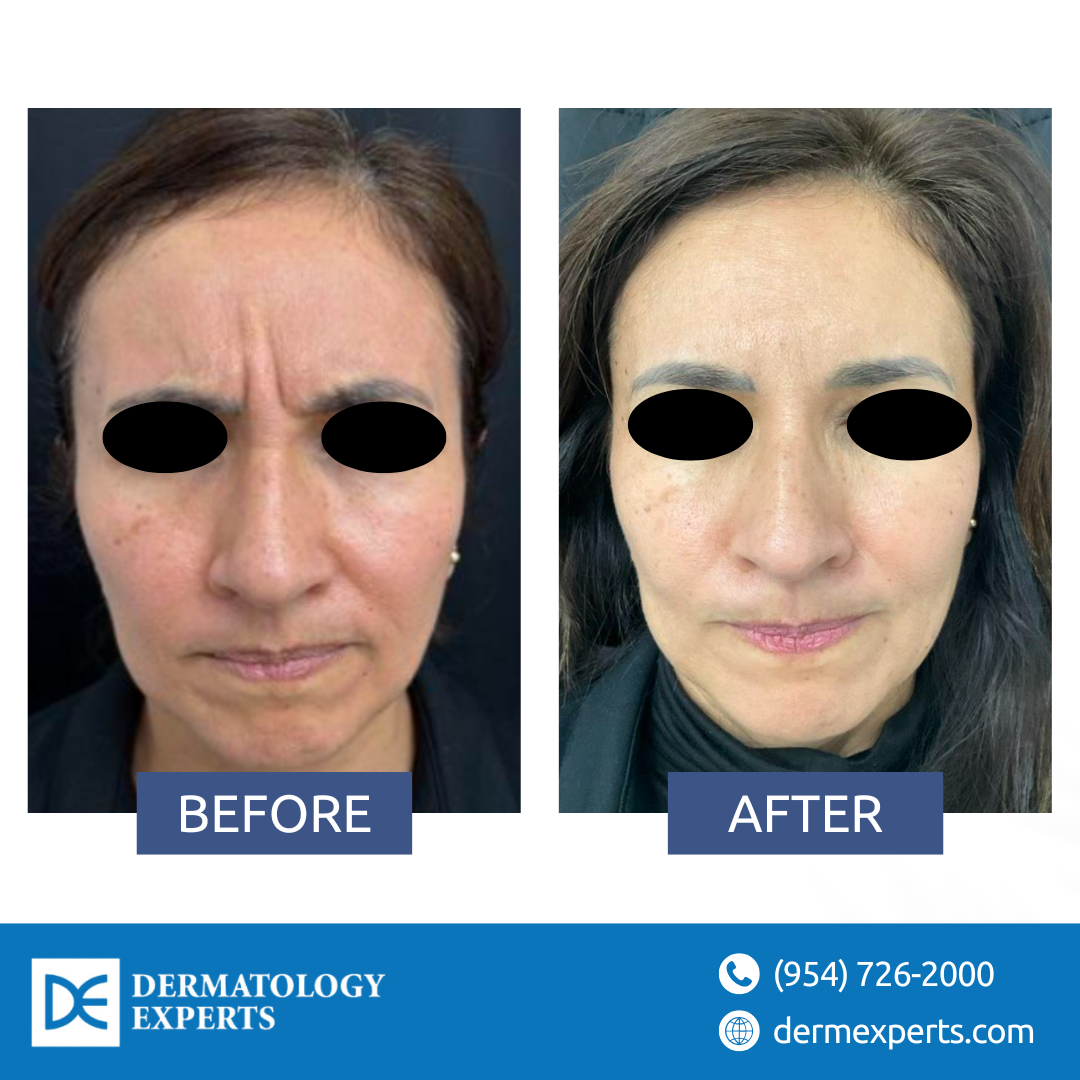
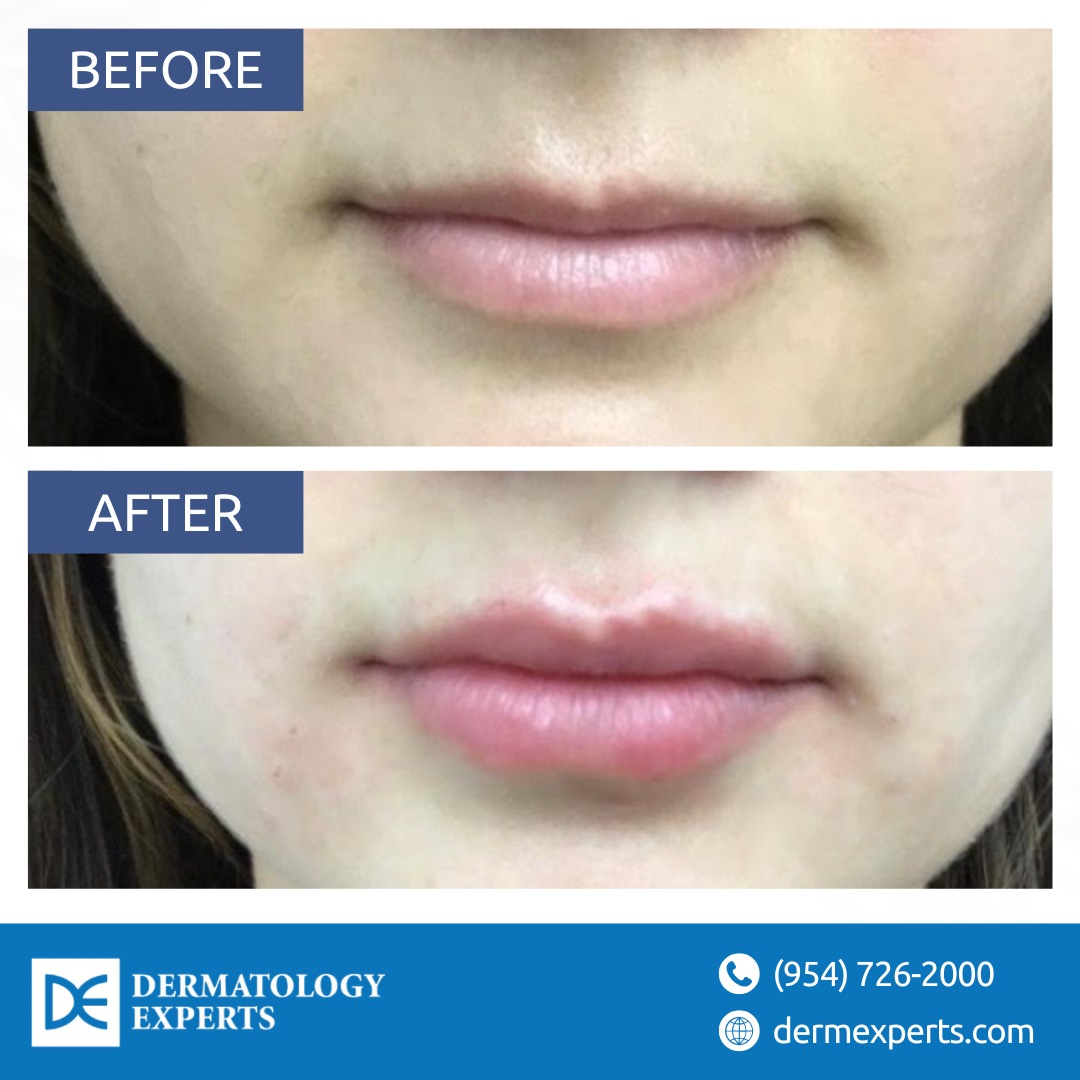
Before and after gallery
Real results from honest, board-certified dermatology in South Florida
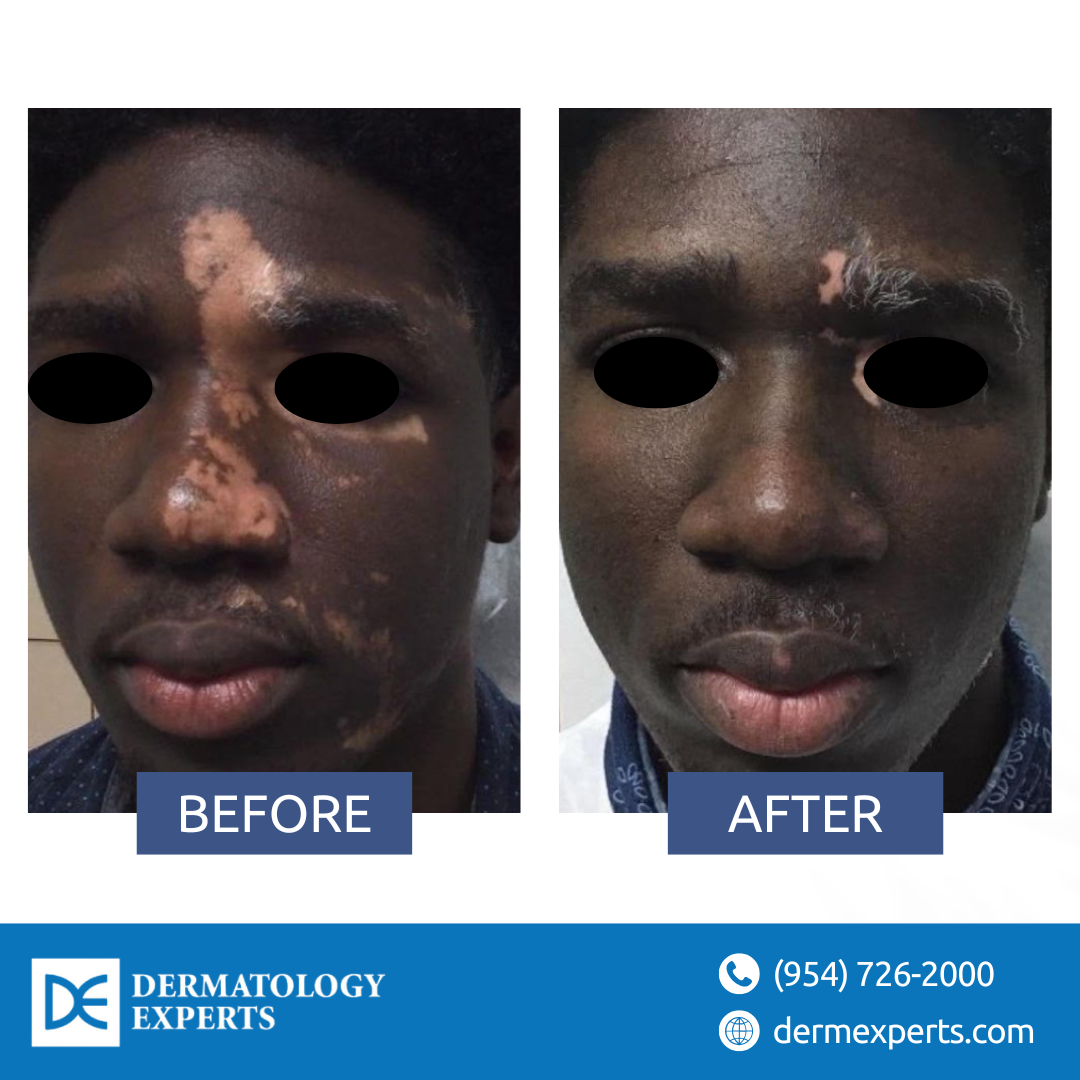
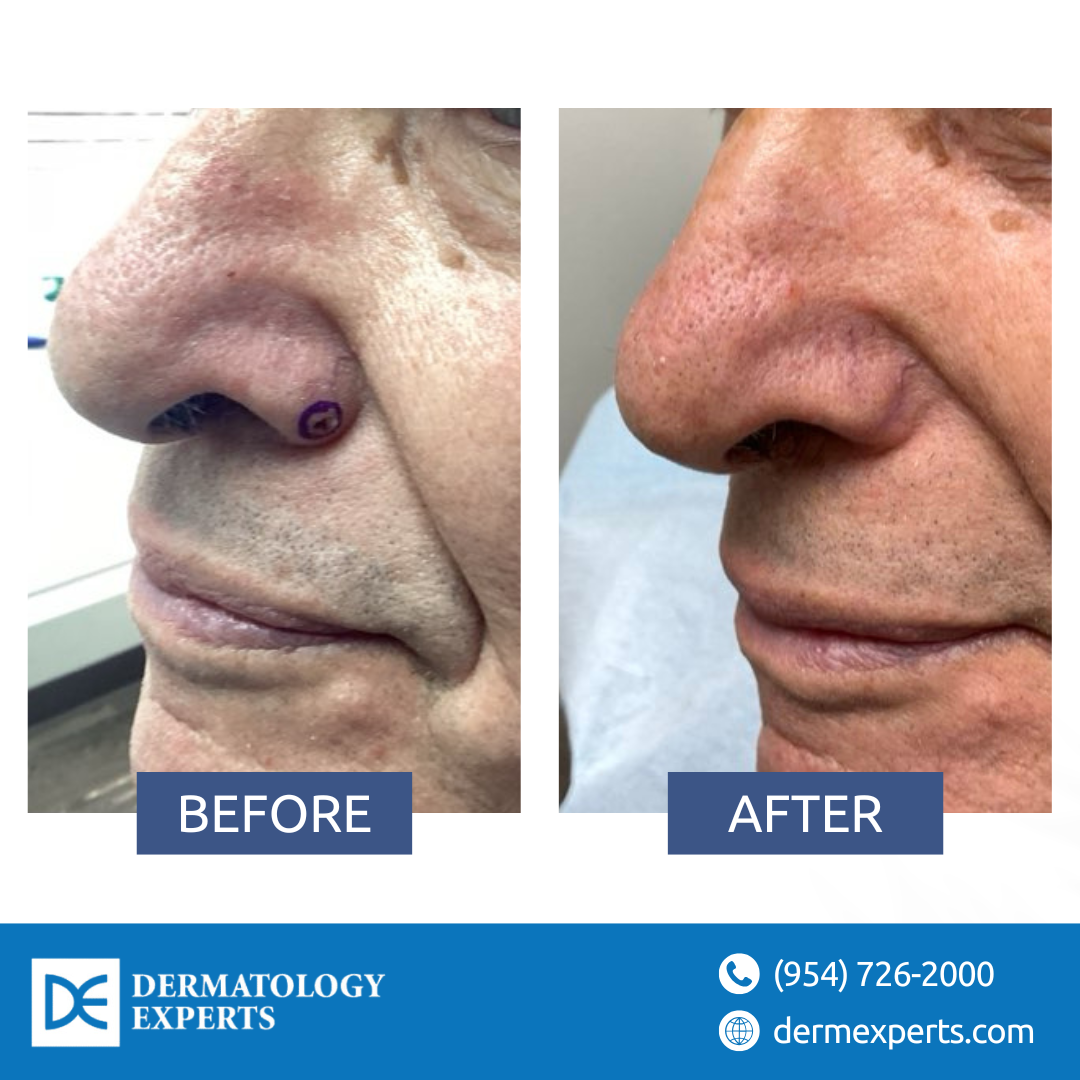
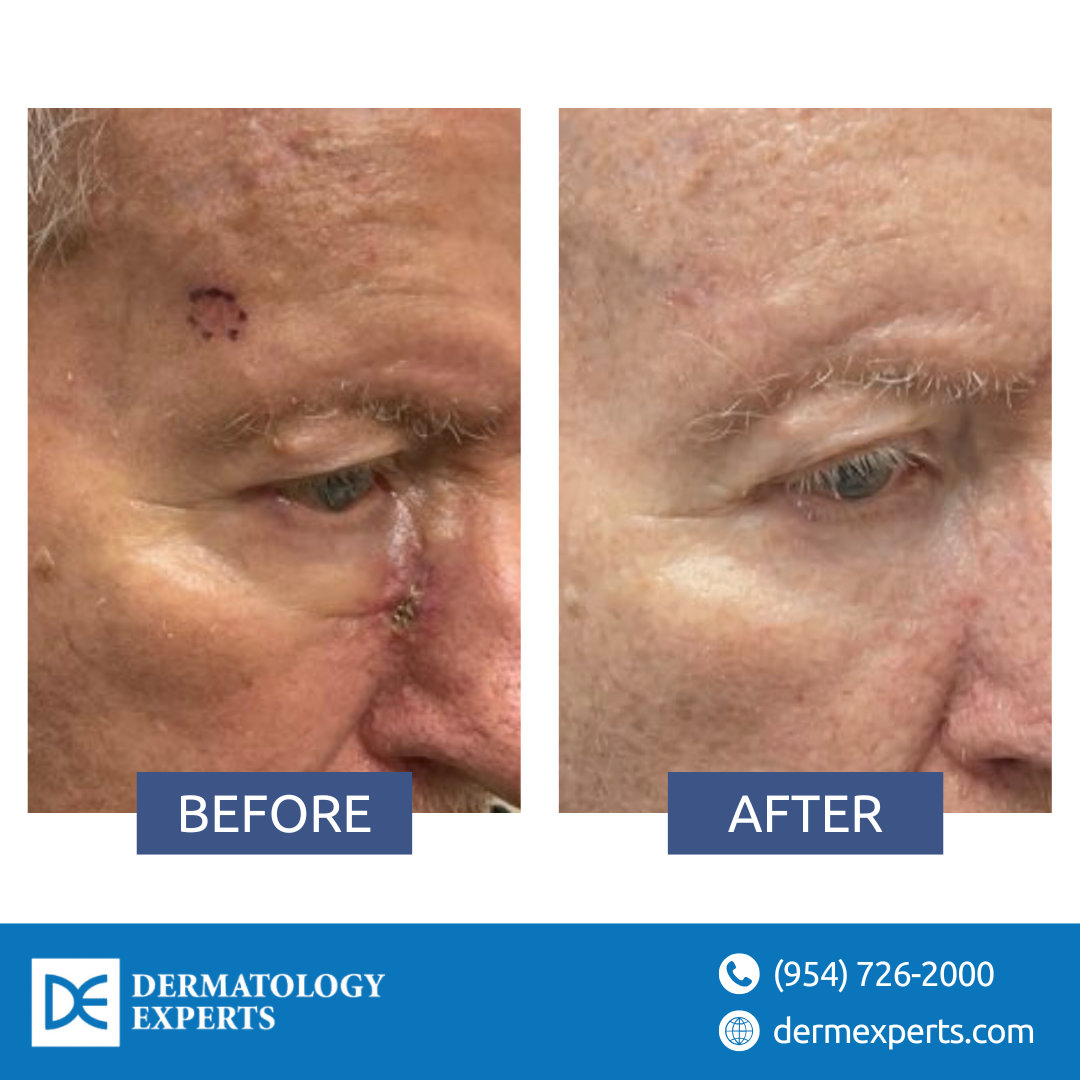
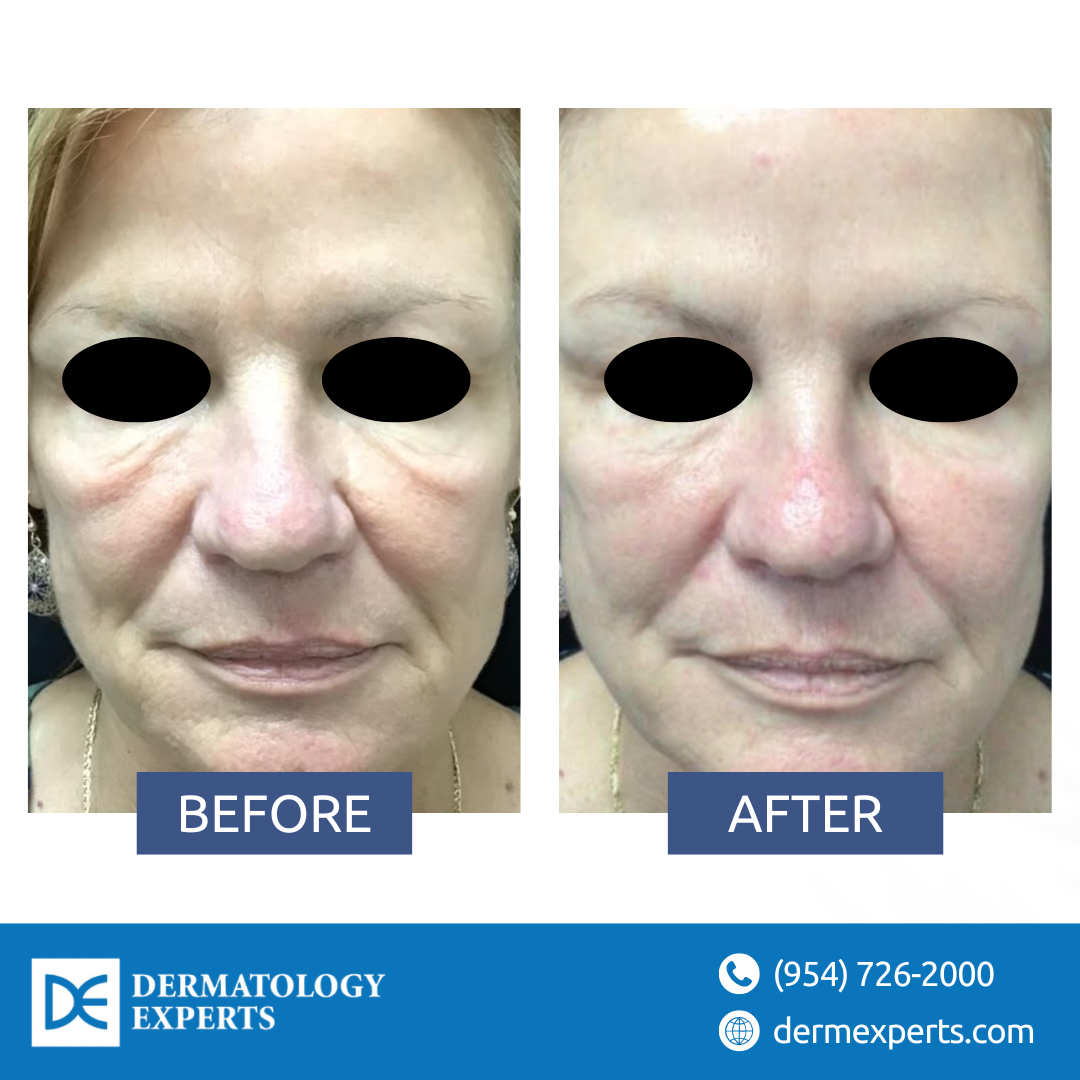
When Your Skin Feels Like It's Fighting You
Persistent itching. Patches of red, irritated skin that flare at the worst times. Skin that feels raw after a shower or tight in the South Florida heat. If this sounds familiar, you may be dealing with atopic dermatitis, more commonly called eczema, or a related condition called contact dermatitis.
These two conditions are often confused, and for good reason. They can look nearly identical and feel the same on your skin. But they have different causes, different triggers, and different treatment paths. Getting the right diagnosis matters, and that starts with seeing a board-certified dermatologist who can tell the difference.
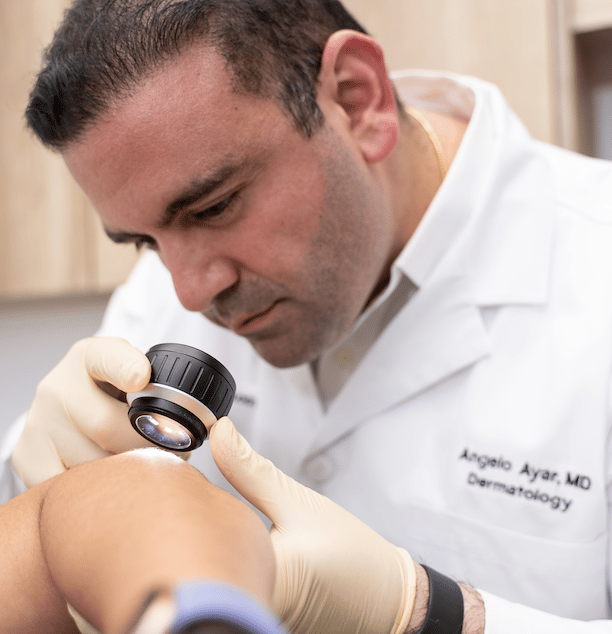
At Dermatology Experts, Dr. Angelo Ayar evaluates patients with chronic and reactive skin conditions every day across our Miami, Parkland, and Tamarac locations. Whether you've been dealing with eczema since childhood or suddenly developed a rash you can't explain, we can help you get answers and get relief.
Contact Dermatitis vs. Eczema: What's the Difference?
One of the most common questions patients ask before their appointment is whether what they have is eczema or contact dermatitis. Understanding the distinction can help you communicate your symptoms more clearly and get to a diagnosis faster.
Atopic Dermatitis (Eczema) is a chronic inflammatory skin condition linked to an overactive immune response. It tends to run in families and is often associated with asthma or seasonal allergies. It may flare and calm in cycles throughout your life.
- Appears most commonly in the creases of elbows, knees, and wrists, as well as the face and neck
- Causes intense itching, dry patches, and skin that may crack or weep in more severe cases
- Triggered by stress, sweat, heat, certain fabrics, soaps, or environmental allergens
- A chronic condition that is managed rather than cured, with flare prevention as the main goal
- More prevalent in children but commonly persists into adulthood
Contact Dermatitis is a reactive skin condition caused by direct exposure to an irritant or allergen. It typically appears in a localized area where something touched your skin and resolves once the trigger is removed.
- Irritant contact dermatitis is caused by exposure to a substance like cleaning products, fragrances, latex, or metals such as nickel
- Allergic contact dermatitis involves an immune reaction to a specific allergen, such as poison ivy, certain cosmetics, or preservatives
- Rash is usually confined to the area of contact and may include blisters, swelling, or burning in addition to itching
- Patch testing can identify specific allergens when the trigger is not obvious
- Often resolves with treatment once the offending substance is identified and avoided
In South Florida's humid, high-UV climate, both conditions can be more difficult to manage. Sweat, sunscreen ingredients, pool chemicals, and even certain sunscreens may trigger or worsen both eczema and contact dermatitis. An accurate diagnosis is the first step toward a plan that actually works for your lifestyle.
What to Expect at Your Appointment
An eczema or contact dermatitis evaluation at Dermatology Experts is thorough but straightforward. Most initial appointments take 30 to 45 minutes, and you'll leave with a clear diagnosis and a treatment plan that fits your life.
- Medical history review: Dr. Ayar will ask about your symptoms, how long they've been present, what makes them better or worse, and any family history of eczema, asthma, or allergies
- Skin examination: A full visual assessment of affected areas to evaluate the pattern, location, and characteristics of your rash or skin changes
- Trigger discussion: We'll talk through your environment, skincare routine, household products, fabrics, and occupational exposures to identify possible triggers
- Patch testing if indicated: If allergic contact dermatitis is suspected and the trigger is unclear, patch testing may be recommended to pinpoint the specific allergen
- Personalized treatment plan: You'll receive a clear, step-by-step plan that may include prescription medications, topical therapies, skincare routine adjustments, and guidance on avoiding triggers
Same-day appointments are available at all three of our South Florida locations. If your skin is flaring right now, you don't have to wait weeks to be seen.
Treatment Options and What Results Look Like
There is no single treatment that works for every patient, and Dr. Ayar takes a personalized approach based on the type, severity, and triggers of your condition. Many patients experience meaningful improvement within a few weeks of starting the right treatment plan.
- Prescription topical corticosteroids: Used for flare management to reduce inflammation and itching quickly and effectively
- Topical calcineurin inhibitors: A non-steroidal option that works well for sensitive areas like the face and neck, and for patients who need long-term maintenance therapy
- Dupilumab (Dupixent) and other biologics: For moderate to severe atopic dermatitis that hasn't responded well to topical treatments, injectable biologics can reduce inflammation at the immune system level
- Oral antihistamines and short-course oral steroids: May be used during acute flares to manage symptoms more rapidly
- Barrier repair moisturizers and skincare guidance: Restoring the skin barrier is central to eczema management, and Dr. Ayar will recommend specific products and routines suited to South Florida's climate
- Trigger avoidance planning: For contact dermatitis especially, identifying and eliminating the trigger often resolves the condition entirely
Results vary depending on the severity of your condition and how consistently you follow your treatment plan. Many patients with contact dermatitis see significant improvement within one to two weeks of removing the offending substance. Atopic dermatitis requires ongoing management, but most patients can reduce the frequency and intensity of flares substantially with the right approach.
Who Should Consider Being Evaluated
You don't need a severe or widespread rash to deserve a diagnosis. Many patients come to us after months of self-treating with over-the-counter creams that haven't worked, or after being told it's "just dry skin." You deserve clarity.
- Adults or children with recurring itchy, dry, or inflamed skin patches that don't resolve with basic moisturizers
- Anyone who has developed a new rash after starting a new product, medication, or occupational exposure
- Patients with a personal or family history of eczema, asthma, or environmental allergies
- Anyone whose eczema or rash is significantly affecting sleep, work, or daily comfort
- Patients who have tried over-the-counter hydrocortisone creams without lasting relief
- Anyone in South Florida whose symptoms seem to worsen with heat, sweat, or sun exposure
- Patients already on treatment who feel their current plan is no longer managing their symptoms well
Eczema is not something you simply have to live with without support. There are more treatment options available today than ever before, including newer biologics that have changed the picture for patients with moderate to severe disease.
Frequently Asked Questions
How do I know if I have eczema or contact dermatitis?
The two conditions can look very similar, which is why a dermatologist's evaluation is important. Atopic dermatitis tends to be a chronic condition with a genetic component, showing up in predictable locations like elbow creases and behind the knees, often alongside a history of allergies or asthma. Contact dermatitis typically appears in a more defined area where a specific substance touched your skin and tends to have a more identifiable onset. During your appointment, Dr. Ayar will review your history, examine your skin, and may recommend patch testing to help clarify the diagnosis.
Can South Florida's climate make eczema worse?
Yes, and it's something many patients here experience. Heat and sweat can directly trigger eczema flares, and the humidity can make it harder for the skin barrier to regulate properly. On the flip side, air conditioning, which is nearly constant indoors in South Florida, can dry skin out significantly. Pool chemicals, salt water, certain sunscreens, and sun exposure can also irritate sensitive or eczema-prone skin. Managing eczema in this climate requires a skincare routine and trigger awareness that accounts for these specific environmental factors, something Dr. Ayar helps patients build at every appointment.
Is eczema curable?
Atopic dermatitis is a chronic condition, which means there is currently no permanent cure, but it is very manageable for most patients. With the right combination of treatments, skincare habits, and trigger avoidance, many patients experience long periods with minimal or no symptoms. Some children do find that eczema improves significantly as they get older. Contact dermatitis, on the other hand, may resolve completely once the triggering substance is identified and avoided. The goal of treatment is always to help you feel comfortable in your skin, with as few flares as possible.
Do I need a referral to see Dr. Ayar for eczema?
No referral is needed to book an appointment at Dermatology Experts. You can contact any of our three South Florida locations directly to schedule, and same-day appointments are often available if your symptoms are active or bothersome. We see patients of all ages, including children, and welcome both new patients and those looking for a second opinion on a diagnosis or treatment plan they've already received.
Does insurance cover eczema treatment, and can I use my HSA or FSA?
Atopic dermatitis and contact dermatitis are medical conditions, and visits for evaluation and treatment are generally covered by most insurance plans. Specific coverage will depend on your plan, so we recommend verifying your benefits before your appointment. Prescription medications and in-office procedures related to eczema management may also be covered. If you have a Health Savings Account or Flexible Spending Account, those funds can typically be used for dermatology visits and qualifying treatments. Our team is happy to help you understand your options when you call to schedule.
Why Patients Choose Dermatology Experts for Eczema Care
Getting an accurate diagnosis for a condition like eczema or contact dermatitis requires more than a quick glance at your skin. It takes a dermatologist who listens carefully, understands the nuances of inflammatory skin disease, and takes the time to build a treatment plan around your specific triggers, lifestyle, and goals.
Dr. Angelo Ayar completed his dermatology residency at the University of Michigan, consistently ranked among the top dermatology training programs in the country. His background spans medical, surgical, and cosmetic dermatology, and his research focus in skin cancer gives him a deep understanding of how the skin responds to chronic inflammation and environmental stress, knowledge that directly informs how he approaches complex skin conditions like eczema.
- Double board-certified dermatologist with training at the University of Michigan
- Three convenient South Florida locations in Miami, Parkland, and Tamarac, serving Broward County, Miami-Dade County, Coral Springs, Fort Lauderdale, Pompano Beach, and Boca Raton
- Full-spectrum dermatology under one roof, meaning if your skin condition evolves or requires additional evaluation, you won't need to be referred elsewhere
- Same-day appointments available, so you're not left waiting when a flare is affecting your sleep, work, or daily life
- Over 500 five-star reviews from patients who describe feeling genuinely heard, cared for, and comfortable throughout their visits
- A team that treats patients like people, not cases. Many patients describe feeling "seen and heard" for the first time after years of managing eczema on their own
You don't have to figure out whether it's eczema, contact dermatitis, or something else entirely on your own. That's exactly what we're here for.
Ready to Get Relief? Schedule Your Appointment Today
If itchy, inflamed, or reactive skin has been affecting your daily life, a clear diagnosis and a real treatment plan can make a significant difference. Dr. Ayar and the team at Dermatology Experts are ready to help you understand what's happening with your skin and build a path toward lasting comfort.
Call us today at (954) 726-2000 to schedule at our Miami, Parkland, or Tamarac location. Same-day appointments are often available, and HSA and FSA funds are eligible for qualifying visits and treatments. You don't have to keep guessing. Let's get you some answers.