
Rosacea
Redness, flushing, and bumps that won't go away — rosacea is more manageable than you think, and effective treatment starts with the right diagnosis.
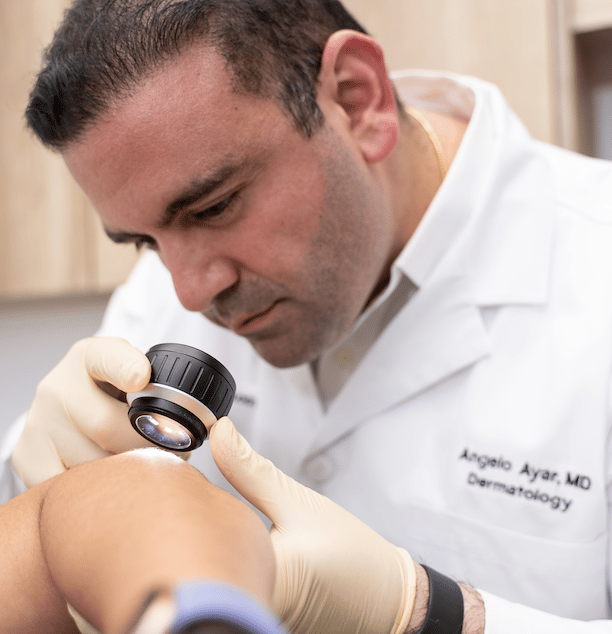
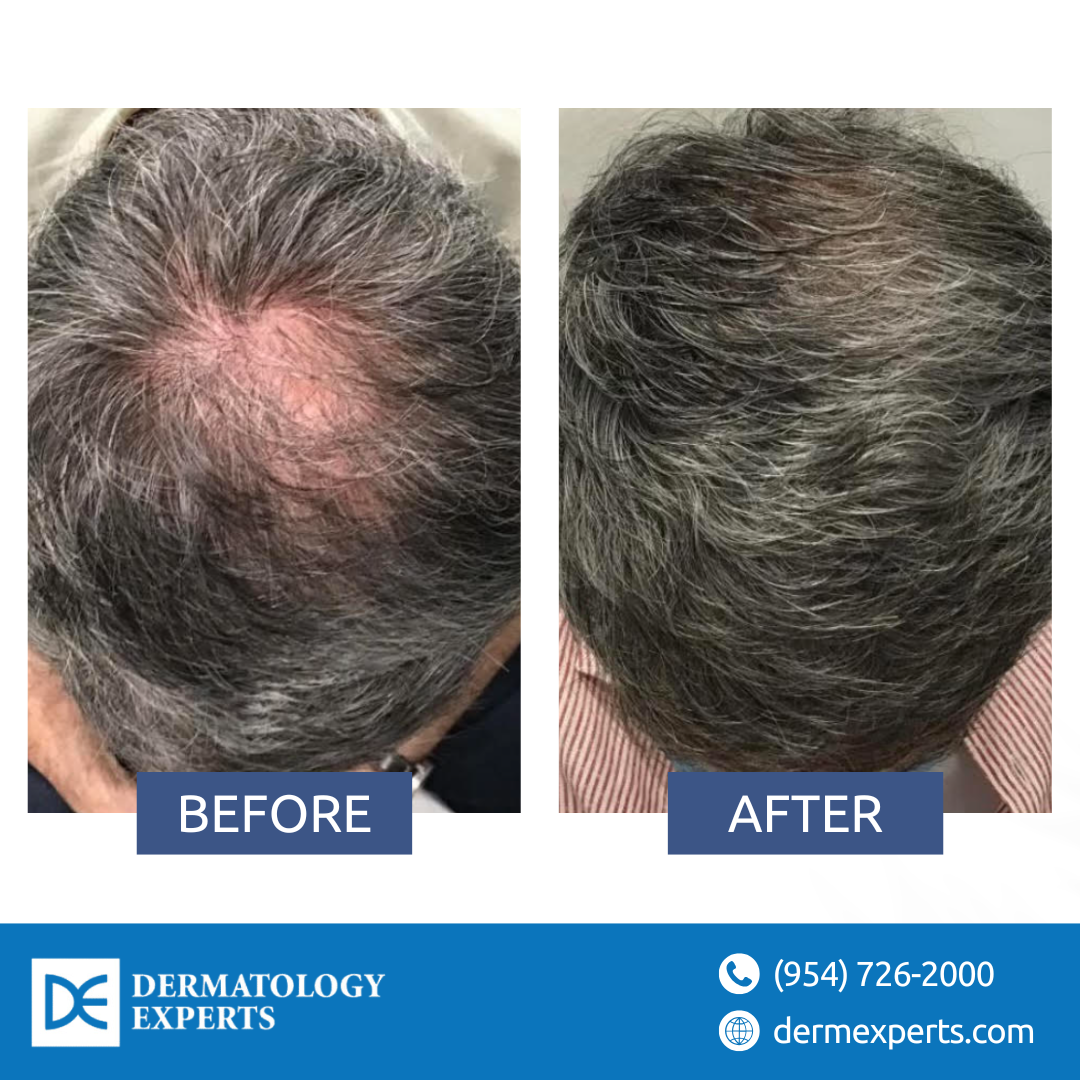
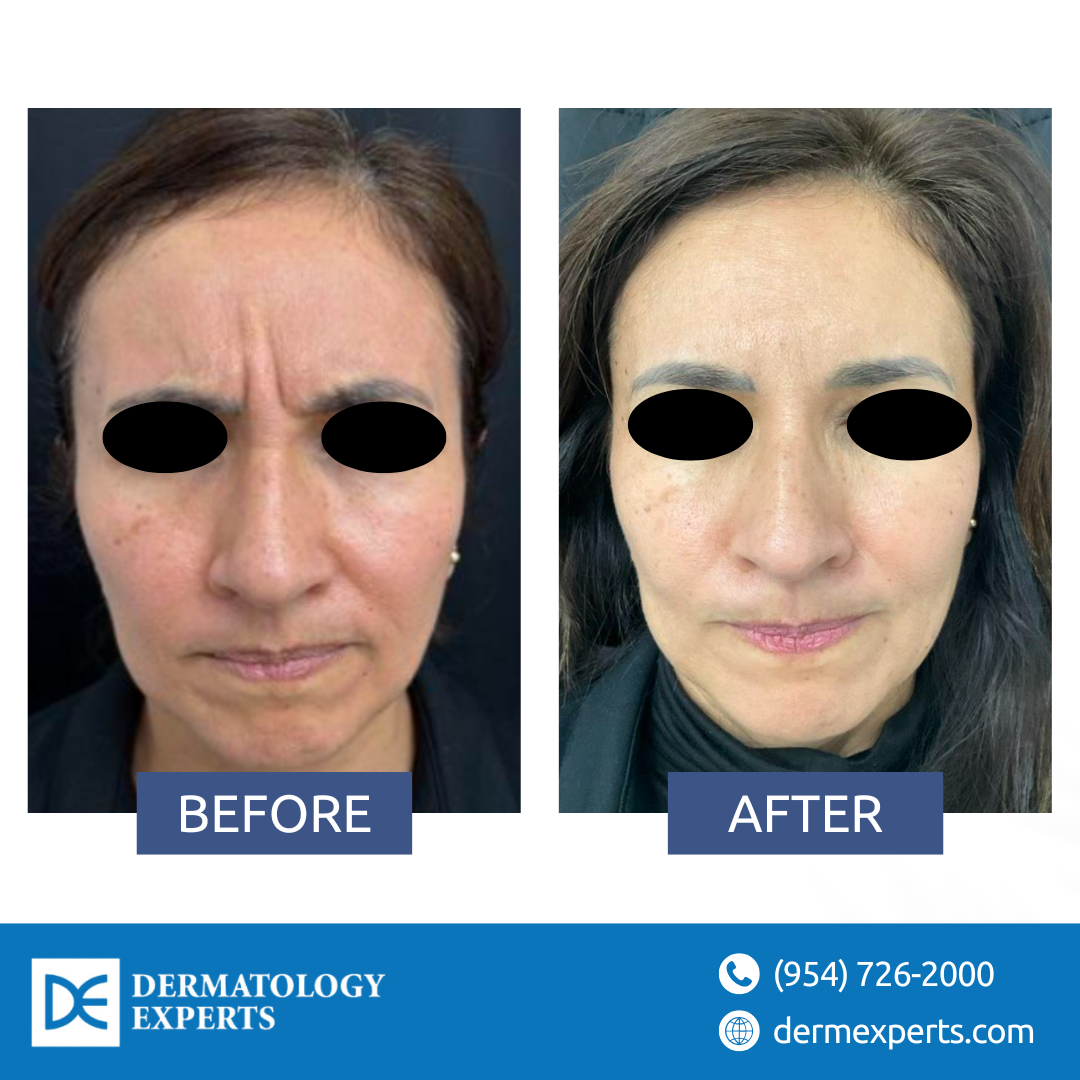
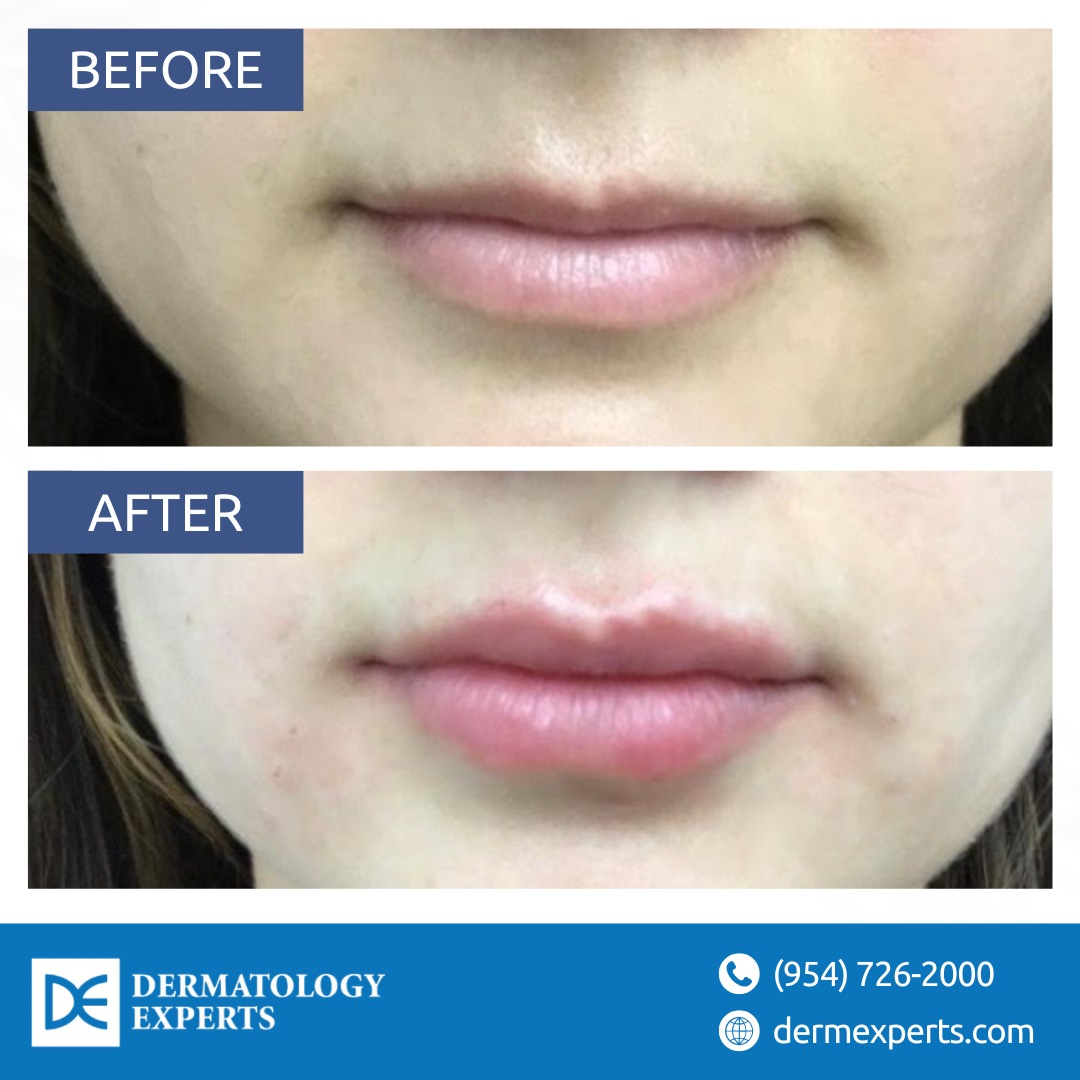
Before and after gallery
Real results from honest, board-certified dermatology in South Florida
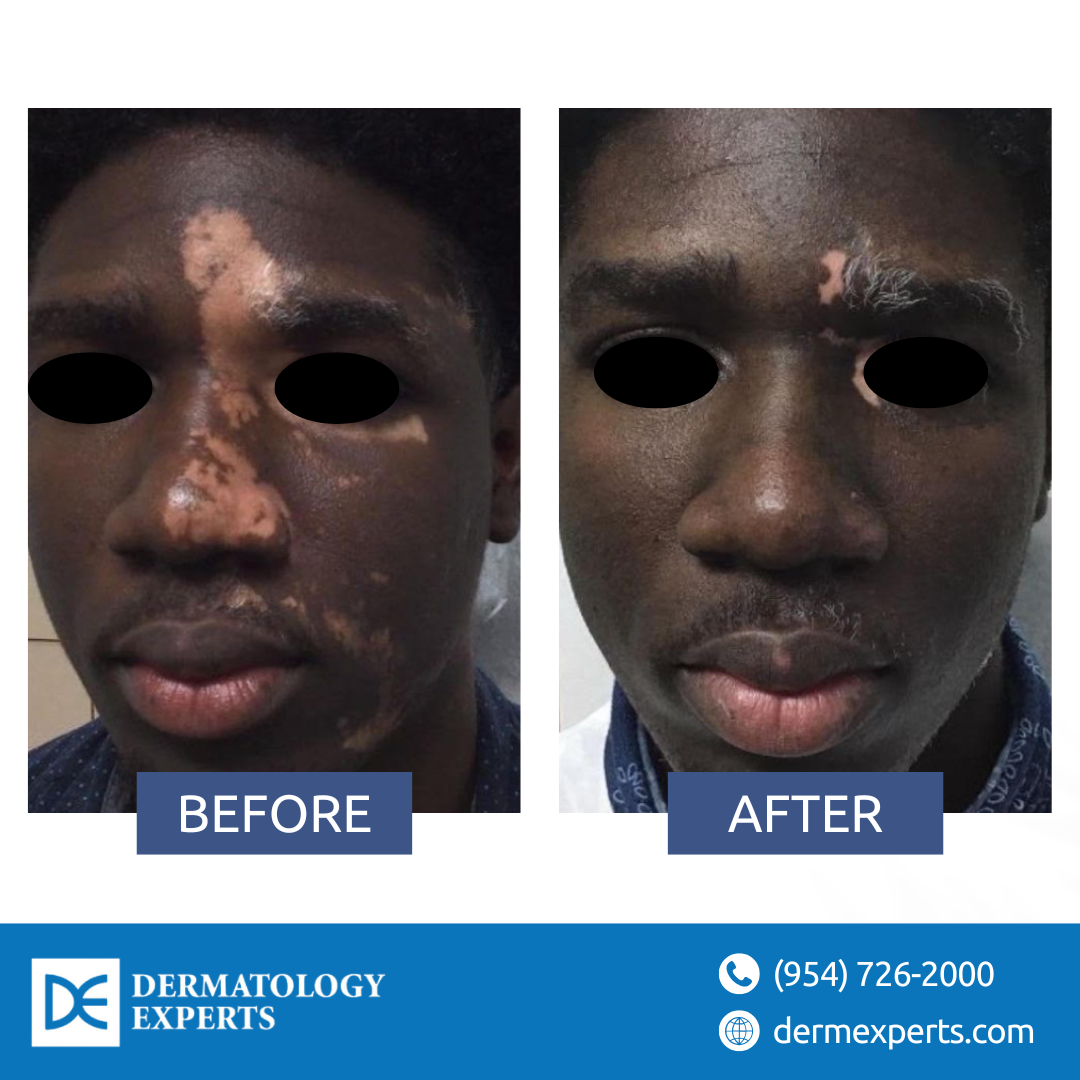
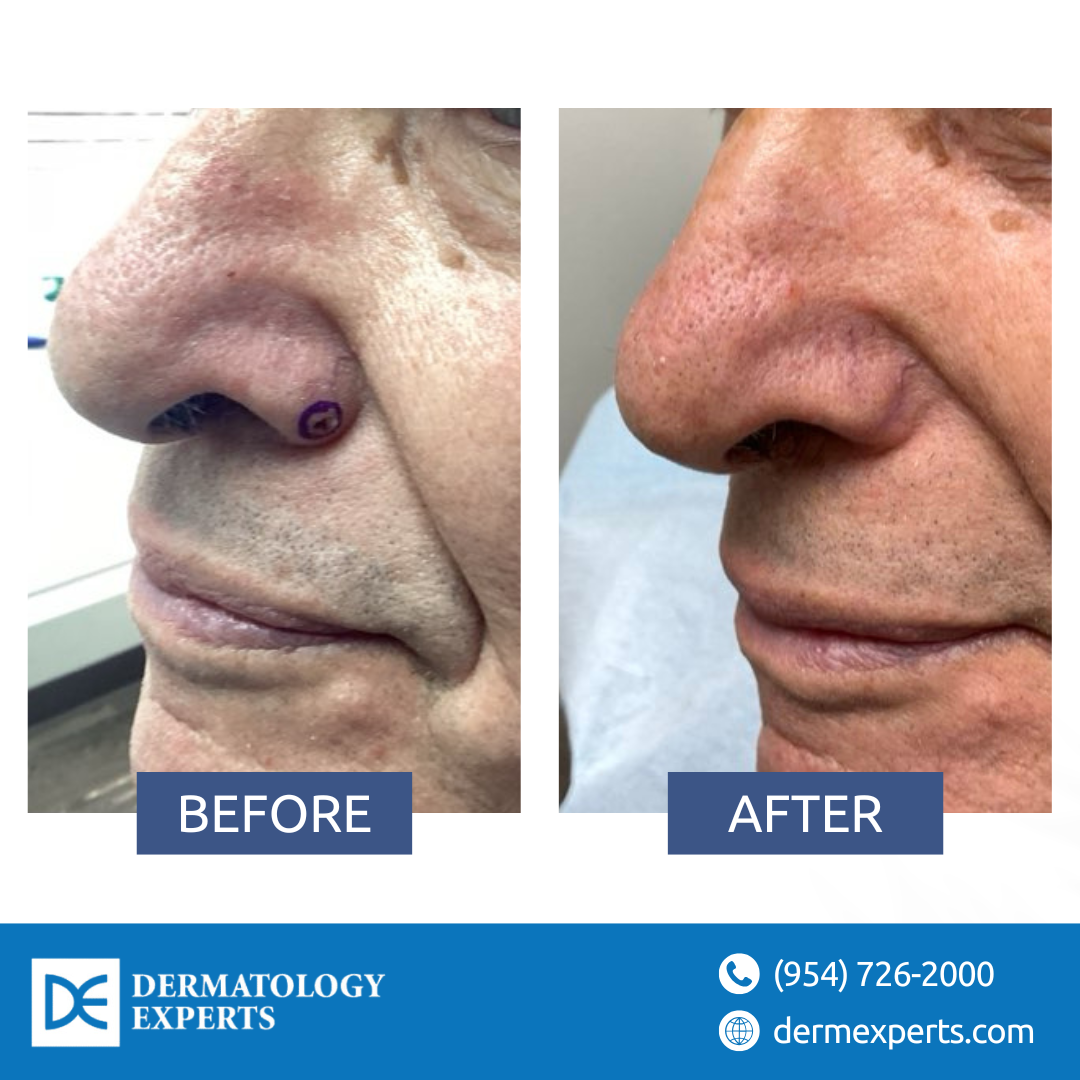
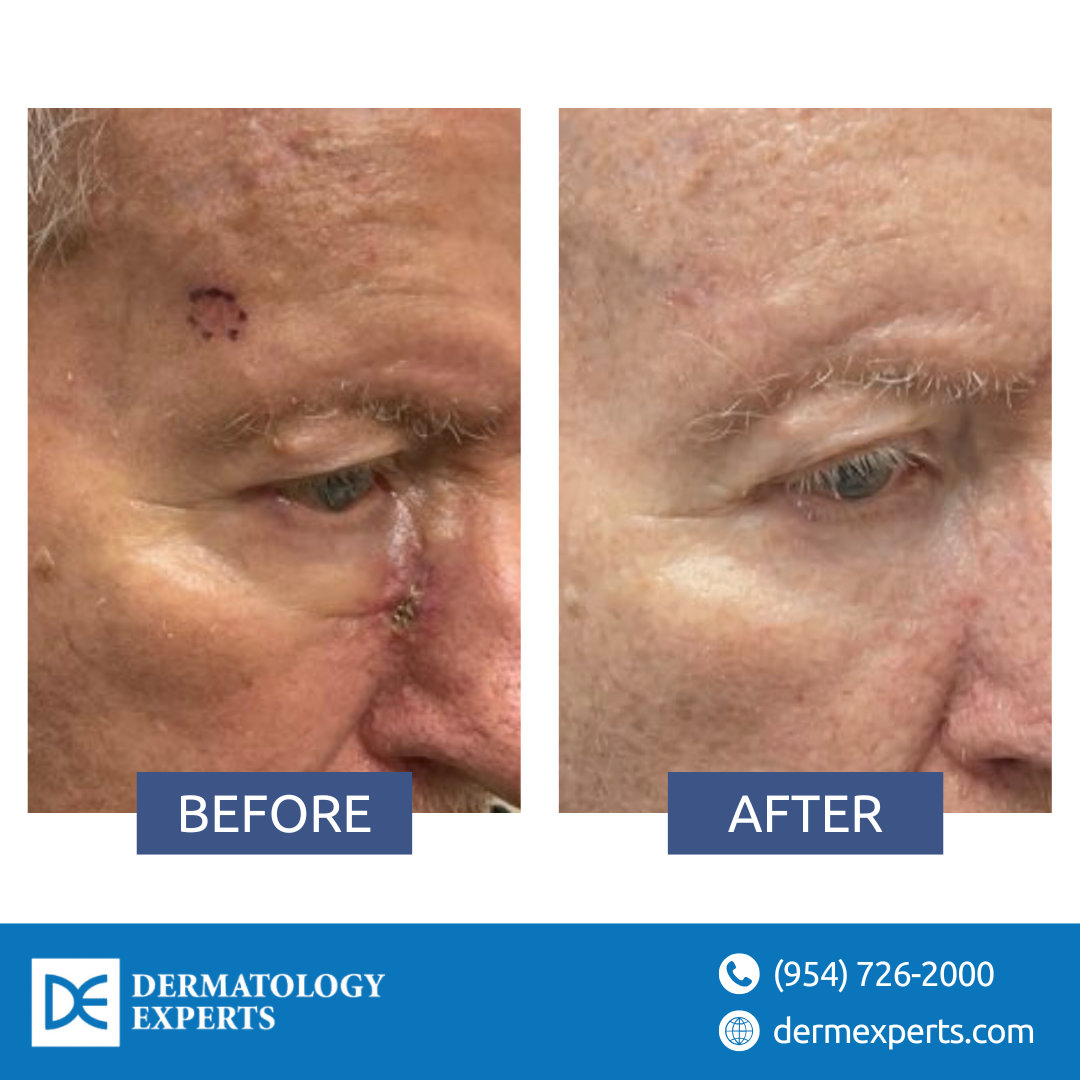
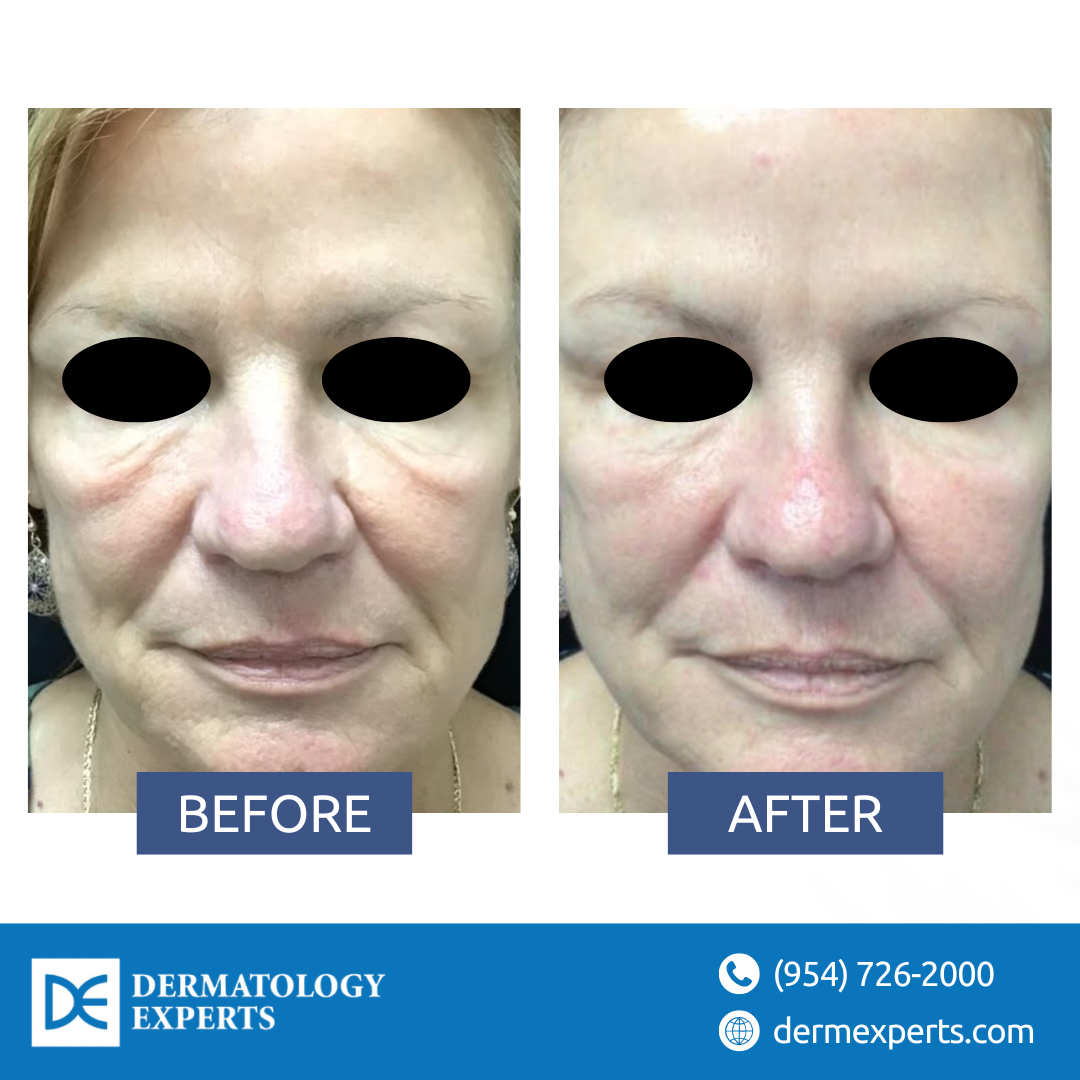
Your Face Shouldn't Feel Like It's Always on Fire
If your cheeks flush easily, your skin stays red longer than it should, or you've noticed small bumps that look like acne but don't respond to acne treatments, rosacea may be the reason. It's one of the most common skin conditions we see at Dermatology Experts, and it's also one of the most misunderstood.
South Florida's heat, humidity, and intense sun exposure can trigger and worsen rosacea symptoms year-round. Many patients spend months trying over-the-counter rosacea creams that offer partial relief at best, not realizing that prescription-strength treatment from a board-certified dermatologist can make a significant difference. If you've been hiding behind makeup or avoiding outdoor plans because of how your skin looks and feels, you don't have to keep doing that.
What Is Rosacea?
Rosacea is a chronic inflammatory skin condition that primarily affects the face. It tends to cycle through flare-ups and calmer periods, and without proper management, symptoms can gradually worsen over time. It's not contagious, it's not caused by poor hygiene, and it's not something you simply have to live with.
- Most commonly affects: the cheeks, nose, forehead, and chin
- Common symptoms: persistent redness, visible blood vessels, flushing, bumps or pimples, skin sensitivity, and sometimes eye irritation
- Four subtypes: erythematotelangiectatic (redness and flushing), papulopustular (acne-like bumps), phymatous (skin thickening, often on the nose), and ocular (eye symptoms)
- Common triggers: sun exposure, heat, exercise, spicy foods, alcohol, stress, and certain skincare products
- Who it affects: most common in fair-skinned adults between 30 and 60, though it can develop in anyone
- Not a cosmetic issue: rosacea is a medical condition that benefits from professional diagnosis and treatment
At Dermatology Experts, we take time to identify your specific subtype and triggers before recommending a treatment plan. What works for one patient may not be right for another, which is why a personalized approach matters.
What to Expect at Your Rosacea Appointment
Rosacea treatment at Dermatology Experts is straightforward and focused on finding what works for your skin. Here is what a typical care plan looks like from start to finish.
- Initial consultation: Dr. Ayar or a member of the clinical team will examine your skin, review your history, and ask about your triggers, skincare routine, and symptoms
- Diagnosis and subtype identification: understanding which type of rosacea you have determines which treatments are most appropriate
- Prescription rosacea cream or topical treatment: options may include metronidazole, azelaic acid, or ivermectin cream, depending on your symptoms and skin type
- Oral medications when appropriate: low-dose doxycycline or other oral antibiotics may be recommended for moderate-to-severe papulopustular rosacea
- Trigger management guidance: we will help you identify and reduce your personal triggers, which is a key part of long-term control
- Skincare and sunscreen recommendations: especially important in South Florida's UV environment
- Follow-up visits: most patients return at 6 to 12 weeks to assess how the skin is responding and adjust the plan if needed
Appointments are typically 30 to 45 minutes for a first visit. Same-day appointments are often available, so you don't have to wait weeks to be seen.
What Results Can You Expect?
Rosacea cannot be permanently cured, but it can be effectively managed. Many patients experience meaningful improvement in redness, bumps, and skin sensitivity with a consistent treatment plan.
- Topical rosacea creams: many patients notice visible improvement in redness and bumps within 4 to 8 weeks of consistent use
- Oral medications: patients with papulopustular rosacea may see significant reduction in acne-like breakouts within 4 to 6 weeks
- Trigger avoidance: reducing common triggers can decrease the frequency and severity of flare-ups relatively quickly
- Long-term management: with ongoing care, many patients maintain clear or near-clear skin between flare-ups
- Realistic expectations: results vary based on subtype, severity, and how consistently treatment is followed
Most patients feel significantly more comfortable in their skin within a few months of starting treatment. The goal is not perfection but meaningful, lasting control that allows you to live without rosacea dictating your day.
Is Rosacea Treatment Right for You?
Rosacea affects people differently, and the right time to seek care is whenever your symptoms are bothering you, whether that is mild flushing or significant redness and breakouts. You may benefit from professional rosacea treatment if you:
- Have persistent facial redness that doesn't go away on its own
- Flush easily in heat, sunlight, or after eating certain foods
- Notice small bumps or pimples on your cheeks, nose, or chin that don't respond to typical acne products
- Have visible broken blood vessels on your face
- Experience burning, stinging, or sensitivity when applying skincare products
- Have tried over-the-counter rosacea creams without consistent results
- Notice your symptoms are getting worse over time rather than staying the same
- Experience eye irritation, redness, or a gritty feeling in your eyes alongside skin symptoms
If any of these sound familiar, a consultation with Dr. Ayar is the clearest next step. A proper diagnosis makes all the difference in choosing the right treatment.
Rosacea Treatment: Frequently Asked Questions
What is the best rosacea cream for my skin?
The best rosacea cream depends on your specific subtype and how your skin responds to different ingredients. Prescription options like metronidazole, azelaic acid, and ivermectin are among the most well-studied and effective topical treatments available. An over-the-counter product may offer some relief, but a prescription-strength topical prescribed after a proper evaluation tends to produce more consistent and lasting results. Dr. Ayar will help you find the right option based on your skin and symptom pattern.
Can rosacea be cured completely?
Rosacea is a chronic condition, which means it cannot be permanently cured, but it can be effectively controlled. With the right combination of topical rosacea cream, prescription medications when needed, and trigger management, many patients maintain clear or near-clear skin for extended periods. Think of it less as a cure and more as a condition that becomes manageable once you have the right plan in place. Many patients tell us that once they start proper treatment, rosacea stops running their lives.
Is rosacea treatment covered by insurance?
Medical treatment for rosacea, including consultations and prescription medications, is often covered by health insurance because rosacea is a diagnosed medical condition rather than a cosmetic concern. Coverage varies depending on your plan and the specific treatments involved. We recommend contacting your insurance provider ahead of your visit to confirm your benefits. HSA and FSA funds are also typically eligible for rosacea-related medical expenses.
How does South Florida's climate affect rosacea?
South Florida's combination of year-round sun, high temperatures, and humidity creates a particularly challenging environment for rosacea patients. Heat and UV exposure are two of the most common rosacea triggers, which means South Florida residents often experience more frequent flare-ups than people living in cooler climates. Daily broad-spectrum SPF 30 or higher sunscreen is considered essential for managing rosacea in this region. Dr. Ayar will give you specific guidance on sun protection and other strategies tailored to living in South Florida.
How long does it take to see results from rosacea treatment?
Most patients begin to notice improvement within 4 to 8 weeks of starting a prescription topical treatment, though individual results vary based on rosacea subtype and severity. Oral medications for papulopustular rosacea may produce noticeable changes in breakouts within 4 to 6 weeks. Trigger management can show results even sooner, since reducing exposure to known triggers often decreases flare-up frequency relatively quickly. Follow-up appointments at Dermatology Experts are scheduled to track your progress and adjust your plan if needed.
Why Choose Dermatology Experts for Rosacea Care in South Florida?
Managing rosacea well requires more than a prescription. It requires a clinician who understands how this condition behaves, how it varies from patient to patient, and how South Florida's environment complicates the picture. That is exactly the kind of care you will find at Dermatology Experts.
- Dr. Angelo Ayar, MD, FAAD: double board-certified dermatologist with residency training at the University of Michigan, one of the most respected dermatology programs in the country
- Skin cancer research background: Dr. Ayar's research training means he approaches every skin condition, including rosacea, with precision and a thorough diagnostic eye
- Full-spectrum dermatology: medical, surgical, and cosmetic care under one roof, so if your rosacea involves visible blood vessels or skin thickening that may benefit from additional treatment, you don't need to go elsewhere
- Three South Florida locations: Tamarac, Parkland, and Miami, serving Broward County, Miami-Dade County, Coral Springs, Fort Lauderdale, Pompano Beach, and Boca Raton
- Same-day appointments available: you shouldn't have to wait weeks to be seen for something that affects how you look and feel every day
- Over 500 five-star reviews: patients consistently describe feeling heard, comfortable, and genuinely cared for by the entire team
- Personalized treatment plans: no two rosacea cases are the same, and your care will reflect that
At Dermatology Experts, rosacea is not treated as a minor cosmetic complaint. It is taken seriously because it affects your comfort, your confidence, and your quality of life. Dr. Ayar and the team will work with you to get your skin under control and keep it that way.
Ready to Get Your Rosacea Under Control?
Living with persistent redness, flushing, and sensitive skin doesn't have to be your normal. Effective treatment is available, and it often starts with a single appointment. Same-day visits are frequently available at our Tamarac, Parkland, and Miami locations, so you can get answers and a plan without a long wait.
Call us today at (954) 726-2000 to schedule your rosacea consultation. HSA and FSA funds are typically eligible for medical dermatology visits. Whether you're dealing with mild flushing or more persistent symptoms, we are here to help you feel comfortable in your skin again.