
Why South Florida's Humidity Makes Scalp Conditions Like Dandruff and Seborrheic Dermatitis Worse Year-Round
You wash your hair regularly. You've tried every dandruff shampoo on the shelf. And yet, the flaking, itching, and irritation keep coming back. If this sounds familiar, you're not imagining things — and you're not alone.
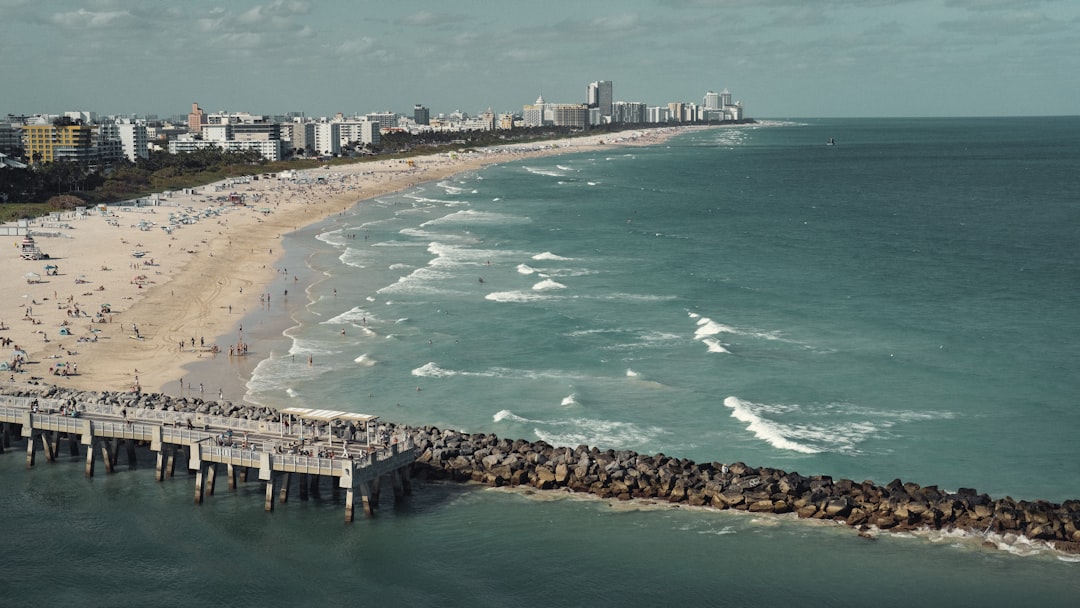
For many people living in South Florida, scalp conditions like dandruff and seborrheic dermatitis are a frustrating, ongoing struggle. The warm temperatures and high humidity that define our climate year-round don't just affect your skin. They create conditions on your scalp that can make these issues significantly harder to control.
What Is Seborrheic Dermatitis, and How Is It Different from Dandruff?
These two conditions are closely related and often confused, but they're not exactly the same thing.
- Dandruff refers to flaking of the scalp, usually without significant redness or inflammation. It's common, often mild, and sometimes manageable with over-the-counter shampoos.
- Seborrheic dermatitis is a more chronic skin condition that causes flaking, scaling, and redness. It can affect the scalp, face, eyebrows, ears, and the sides of the nose. It tends to flare and recede rather than resolve completely.
Both conditions are linked to the same underlying factors: oil production, a naturally occurring yeast called Malassezia, and your skin's inflammatory response. When any of these factors are out of balance, the scalp becomes irritated and begins to shed skin cells faster than normal.
South Florida's climate has a way of pushing all three of these factors in the wrong direction.
Why Humidity and Heat Make Scalp Conditions Worse Here
Most people associate flaky scalps with cold, dry winters. But seborrheic dermatitis doesn't follow that rule. In South Florida, April through the summer months bring increasing heat and humidity that can keep scalp conditions active and frustrating.
Here's why the climate works against you:
- Heat increases oil production. Sebaceous glands on the scalp become more active in warm weather, producing more sebum. Malassezia yeast feeds on this oil, and more oil means more yeast activity.
- Humidity keeps the scalp moist. A persistently moist environment on the scalp can encourage yeast overgrowth and make it harder for the skin barrier to function normally.
- Sweat and scalp buildup. In a humid climate, sweat doesn't evaporate as efficiently. Sweat that lingers on the scalp can irritate already-sensitive skin and disrupt the scalp's natural pH.
- Frequent shampooing isn't always enough. Many people living in South Florida wash their hair more often due to the heat. Over-washing can strip the scalp of protective oils, sometimes triggering even more oil production in response.
- Year-round warmth means no seasonal relief. In cooler climates, some patients get a natural reprieve in winter. In South Florida, the conditions that fuel seborrheic dermatitis rarely let up.
If you're also managing other skin conditions triggered by our environment, you may find our post on fungal skin infections in South Florida helpful, as some of the same climate-driven factors are at play.
Signs You Should See a Dermatologist About Your Scalp
Over-the-counter dandruff shampoos can help with mild cases, but they don't work for everyone and they don't treat the underlying condition. It may be time to see a board-certified dermatologist if:
- Your flaking or itching hasn't improved after several weeks of using OTC products
- You notice redness, scaling, or irritation beyond your scalp — on your eyebrows, ears, or face
- The condition keeps coming back, even when it seems to clear up temporarily
- Your scalp feels sore, inflamed, or tender
- You're experiencing hair thinning in affected areas
- The flaking is affecting your confidence or daily life
Seborrheic dermatitis is a chronic condition, which means the goal of treatment isn't always a permanent cure. It's about managing flares effectively, reducing symptoms, and protecting the health of your scalp long-term. A dermatologist can help you build a plan that actually works for your skin and your South Florida lifestyle.
What Treatment for Scalp Seborrheic Dermatitis May Look Like
Treatment is not one-size-fits-all. A dermatologist will evaluate the severity of your condition, your triggers, and your skin's response to previous treatments before recommending a plan. Depending on your situation, options may include:
- Prescription medicated shampoos containing ketoconazole, selenium sulfide, or zinc pyrithione at therapeutic concentrations
- Topical antifungal medications to reduce yeast activity on the scalp and skin
- Low-potency topical corticosteroids to calm inflammation during flares
- Calcineurin inhibitors as a non-steroidal option for sensitive areas like the face and ears
- Scalp-specific treatments in foam, solution, or lotion form that can penetrate hair-bearing skin more effectively
- Guidance on triggers including product ingredients, washing frequency, and lifestyle factors that may be making things worse
Many patients experience significant improvement once they're on the right treatment regimen. Consistency and follow-up matter, especially for a condition that tends to cycle.
It's also worth knowing that seborrheic dermatitis shares some overlap with other inflammatory skin conditions. If you've been dealing with skin flares in multiple areas, reading about how humidity and heat trigger eczema in South Florida may offer some useful context as well.
How Dermatology Experts Can Help
At Dermatology Experts, our board-certified dermatologist Dr. Angelo Ayar and our clinical team understand that South Florida's climate isn't just a backdrop — it's an active factor in your skin health. We see patients from Tamarac, Parkland, Miami, Coral Springs, Fort Lauderdale, and across Broward and Miami-Dade counties who are managing chronic scalp conditions that OTC products simply haven't resolved.
Dr. Ayar takes a thorough, individualized approach to scalp conditions. Whether you're dealing with occasional dandruff that's gotten out of hand or a long-standing diagnosis of seborrheic dermatitis, we'll help you understand what's driving your symptoms and what a realistic treatment plan looks like.
You don't have to keep guessing which shampoo to try next. A proper evaluation can make a real difference.
Ready to get answers? Call us at (954) 726-2000 or visit dermexperts.com to schedule an appointment at our Tamarac, Parkland, or Miami locations. We're here to help you take care of your scalp, your skin, and your confidence year-round.
More from The Derm Journal
Read the latest insights on skin health and dermatology.

Locations
Visit us in South Florida at any of our three convenient locations