
Mole Removal Scars Heal Differently Than Most Patients Expect

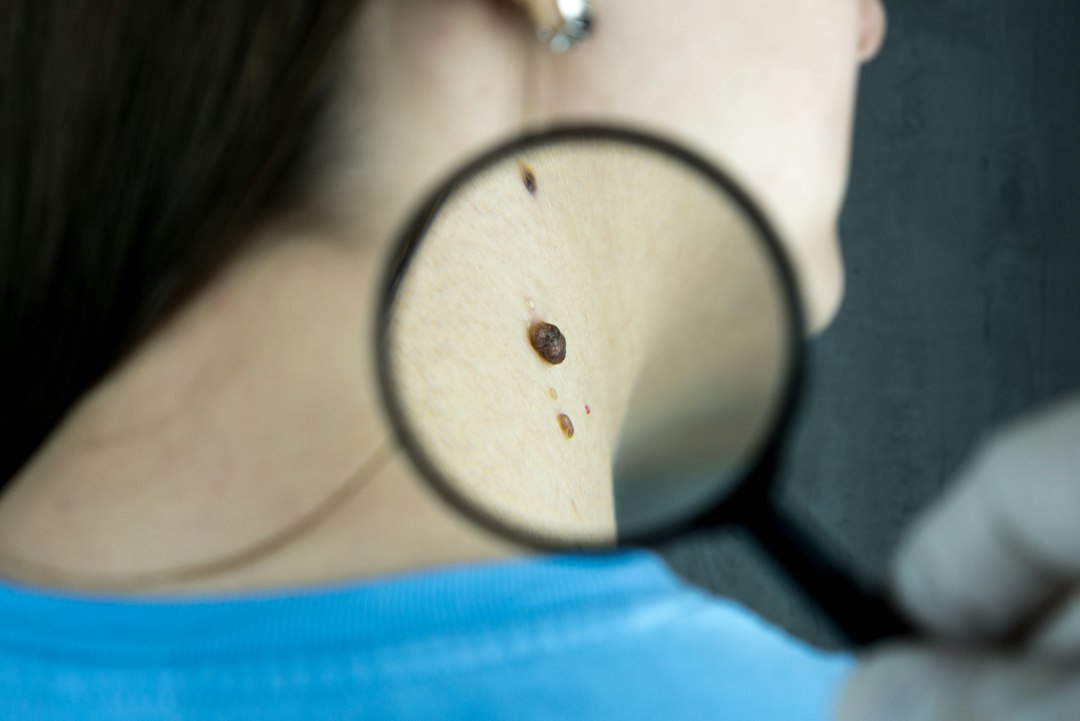
If you've had a mole removed and you're staring at the spot wondering why it looks pink, raised, or shinier than you expected, you're not alone. Patients searching for "scar removal near me" after a mole removal are often surprised that the healing process doesn't match what they pictured. Here's the truth: mole removal scars don't heal on a fixed schedule, and South Florida's heat and humidity play a bigger role than most people realize.
At Dermatology Experts, we see this every week across our Miami, Parkland, and Tamarac offices. A patient comes in nervous about a scar that "isn't going away fast enough," and most of the time, what they're seeing is completely normal — just not what anyone explained to them beforehand. So let's explain it now.
Why Mole Removal Scars Don't Heal on a Straight Line
Skin healing happens in stages, and it's not linear. The first week or two, the area will look red and slightly raised — that's new collagen doing its job. Over the next several weeks, it should start to flatten and fade. But full maturation of a scar can take six months to over a year, and during that window, the scar can look worse before it looks better.
If your mole was removed by shave excision versus a full surgical excision with stitches, your scar will behave differently too. Shallow shave removals tend to heal flat and blend in quickly. Deeper excisions, especially ones that required stitches, leave a linear scar that needs more time and more careful wound care to settle down.
South Florida Humidity Changes the Healing Timeline
This is the part most patients don't expect: heat and moisture can actually slow down how a scar matures. Sweat, humidity, and sun exposure all irritate healing skin, which can prolong redness and increase the odds of the scar thickening. We've written in detail about how scar tissue hardens differently in South Florida's humidity, and it's one of the most common reasons patients come in thinking something went wrong when it's really just the climate doing what it does.
Rainy season adds another layer. Keeping a fresh wound dry and protected is harder when you're sweating through errands or getting caught in an afternoon downpour. We go into this more in our piece on how Florida's rainy season affects wound healing after skin procedures — it's worth a read if your removal happened between June and October.
When a Scar Needs Real Treatment, Not Just Patience
Most mole removal scars fade on their own with good wound care: keeping the area clean, moisturized, and out of direct sun. But some scars don't settle the way they should. If yours is thickening, raised, itchy, or growing beyond the original wound edges, it may be developing into a hypertrophic or keloid scar — and that's when it's time to come in for actual scar treatment near you, not just more waiting.
We cover the warning signs in our article on keloidal scarring, and if your scar resulted from a removal that wasn't done by a board-certified dermatologist in the first place, it's worth reading about what we see when urgent care mole removals go wrong. A scar that's healing poorly is often a sign the removal technique wasn't ideal for that mole's depth or location.
What Dermatologist Mole Removal Actually Costs
One of the most common questions we get is about dermatologist mole removal cost, and the honest answer is: it depends. Pricing varies based on whether the mole is being removed for cosmetic reasons or because it looks suspicious and needs to be sent to pathology, how many moles are being removed, and which removal method is used. A suspicious mole removal is typically covered by insurance since it's medically necessary; a purely cosmetic removal is usually an out-of-pocket cost. During your consultation at any of our three South Florida locations, Dr. Ayar will walk you through exactly what your specific situation will cost — no vague estimates, no surprises on the bill.
If you're not sure whether a mole is worth removing in the first place, our article on moles changing shape is a good place to start, and our mole removal page walks through what to expect from consultation to healed scar.
Give Your Scar the Best Chance to Heal Well
A few habits make a real difference: keep the area moisturized with a gentle ointment, avoid picking at any scabbing (we've seen firsthand what happens when patients can't resist — read our piece on picking at skin lesions), and use sunscreen religiously on the scar once it's closed, since sun exposure can darken scar tissue permanently.
And if you're ever unsure whether your scar is healing normally or needs attention, don't guess. Come in. We'd rather take a quick look and tell you it's fine than have you worry for months over something that was never a problem — or worse, let something that does need treatment go unaddressed. Our patients consistently tell us they leave feeling reassured and informed, and that's exactly the experience we want for your healing process too.
More from The Derm Journal
Read the latest insights on skin health and dermatology.


Locations
Visit us in South Florida at any of our three convenient locations