
Darker Neck Skin After Summer: Dermatologists Explain What's Happening

Every October, the Dermatology Experts team hears a version of the same question: "Why does my neck look so much darker than my face?" Patients searched for us under a dozen names this summer — Dermatology Experts, Z Dermatology, "derm near me" — but the underlying question was always the same. They'd spent the season at the beach, on the boat, or just walking to the car in Miami heat, and now the skin on their neck tells the story in a way sunscreen apparently didn't prevent.
Here's the direct answer: that darkening is a form of hyperpigmentation, and it's extremely common on necks in South Florida specifically because of how much unprotected time this part of the body gets. Let's talk about why it happens and what actually works to fade it.
Why the Neck Darkens Faster Than Everywhere Else
The skin on your neck is thinner and has fewer oil glands than your face, which makes it more reactive to UV exposure and slower to recover from it. It's also one of the most consistently forgotten spots when it comes to sunscreen application — most people stop at the jawline. Combine thin, under-protected skin with South Florida's near year-round sun intensity, and you get a textbook setup for hyperpigmentation.
When UV rays hit skin repeatedly without adequate protection, melanocytes (the cells that produce pigment) go into overdrive trying to shield the skin from further damage. The result is uneven, often blotchy darkening — sometimes in a lace-like pattern, sometimes in solid patches. We've written in detail about this specific neck pattern, known as poikiloderma of civatte, which shows up as reddish-brown discoloration with small white patches where sun damage has been accumulating for years, not just one summer.
Is It Sun Damage, Melasma, or Something Else?
This is where patients tend to get confused, and understandably so — several conditions can cause neck darkening, and they don't all respond to the same treatment.
- Post-vacation sun darkening: straightforward UV-induced pigment increase, often made worse by heat and sweat. Covered in more depth in Darker Patches After Vacation: Melasma or Something Worse?
- Melasma: hormonally influenced patches that can appear or worsen with heat and sun, more common in women and often resistant to over-the-counter brighteners.
- Friction or product-related hyperpigmentation: from necklaces, sweat, or irritation that triggers post-inflammatory pigment changes, similar to what we see with mosquito bite scarring.
- Aging-related pigment changes: cumulative sun exposure over decades shows up differently depending on skin tone, something we break down in Darker Skin in South Florida Ages Differently Than You Think.
A dermatologist can tell the difference at a glance in most cases, but if you're trying to self-diagnose: melasma tends to be more symmetrical and mask-like, while plain sun-induced darkening is usually more diffuse and follows the exact pattern of your sun exposure — meaning it often stops right where your shirt collar or necklace sits.
How to Get Rid of Hyperpigmentation on the Neck
The honest answer is: it depends on how deep the pigment sits and how long it's been there, but most patients see real improvement with a combination approach.
1. Topical treatment first
For mild to moderate darkening, prescription-strength ingredients like hydroquinone, tretinoin, or azelaic acid can meaningfully fade pigment over 8 to 12 weeks. We often compare retinol versus tretinoin for patients who want to understand why the prescription version works faster than what's sold at the drugstore.
2. In-office treatments for stubborn cases
When topicals alone aren't cutting it, chemical peels and IPL laser skin rejuvenation can target pigment more directly. IPL in particular works well on neck and chest discoloration because it addresses both the brown pigment and the redness that often shows up together in sun-damaged skin.
3. Sun protection, applied correctly
This is the step most patients skip, and it's the reason pigment keeps coming back even after treatment. Sunscreen needs to go on the neck every single day, not just beach days. If you've been relying on spray sunscreen alone, it's worth reading why sunscreen sprays are failing South Florida beachgoers — coverage gaps on the neck are a common culprit. Tinted formulas with iron oxide also offer better protection against the visible light that worsens pigment; we compare options in Tinted Sunscreen Versus Clear.
4. Don't skip proper after-sun care
If this summer already happened and the damage is done, calming inflamed skin now can prevent pigment from setting in deeper. Our guide to after-sun skin care walks through what actually helps versus what just feels soothing in the moment.
What We Watch For at Dermatology Experts
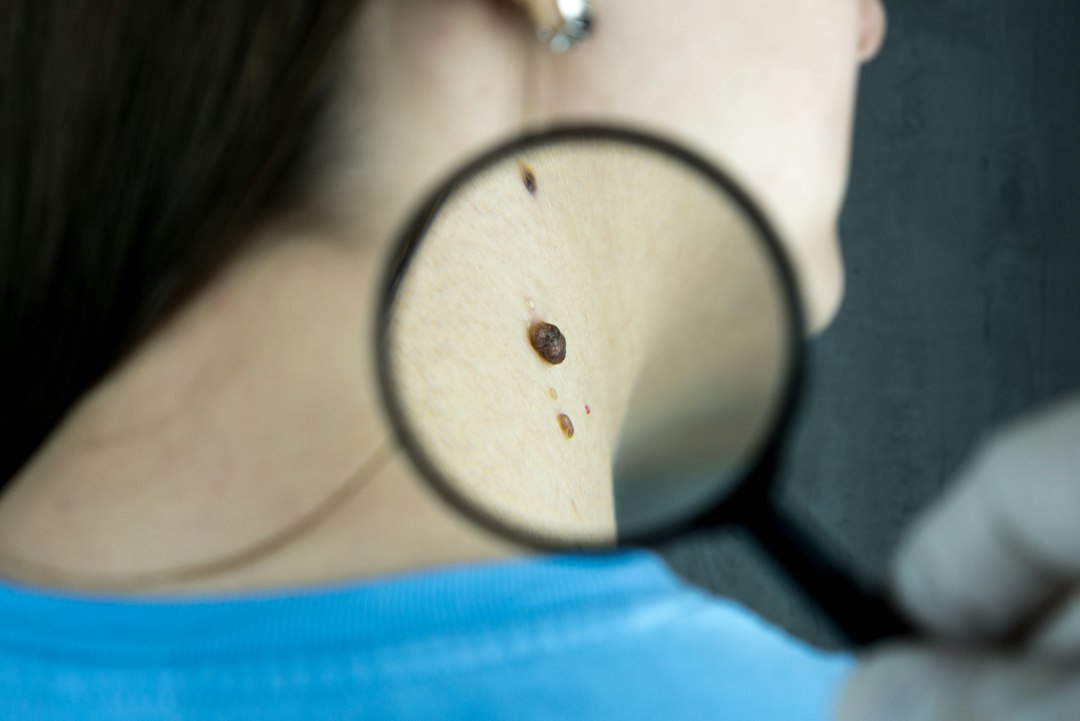
Most neck darkening is cosmetic and treatable, but we always take a close look to rule out anything that needs more attention — particularly since the neck is also a common site for skin cancer given how much sun it absorbs over a lifetime. If you're already coming in for pigment concerns, it's worth combining that visit with a full-body skin exam, especially since we're heading into prime screening season and the neck is one of the most sunburned zones we see.
Dr. Angelo Ayar and our team in Miami, Parkland, and Tamarac see neck hyperpigmentation constantly this time of year, and it's one of the more satisfying things to treat because the results are visible and relatively quick. If your neck came out of summer looking a few shades darker than you'd like, don't wait until next season to deal with it — pigment is easier to fade the sooner it's addressed.
Ready to figure out what's actually going on with your skin? Give us a call or book online, and we'll get you in fast — most patients wait less than 15 minutes once they arrive.
More from The Derm Journal
Read the latest insights on skin health and dermatology.

Locations
Visit us in South Florida at any of our three convenient locations