
Mohs Surgery Recovery in South Florida Heat: What Patients Need to Know
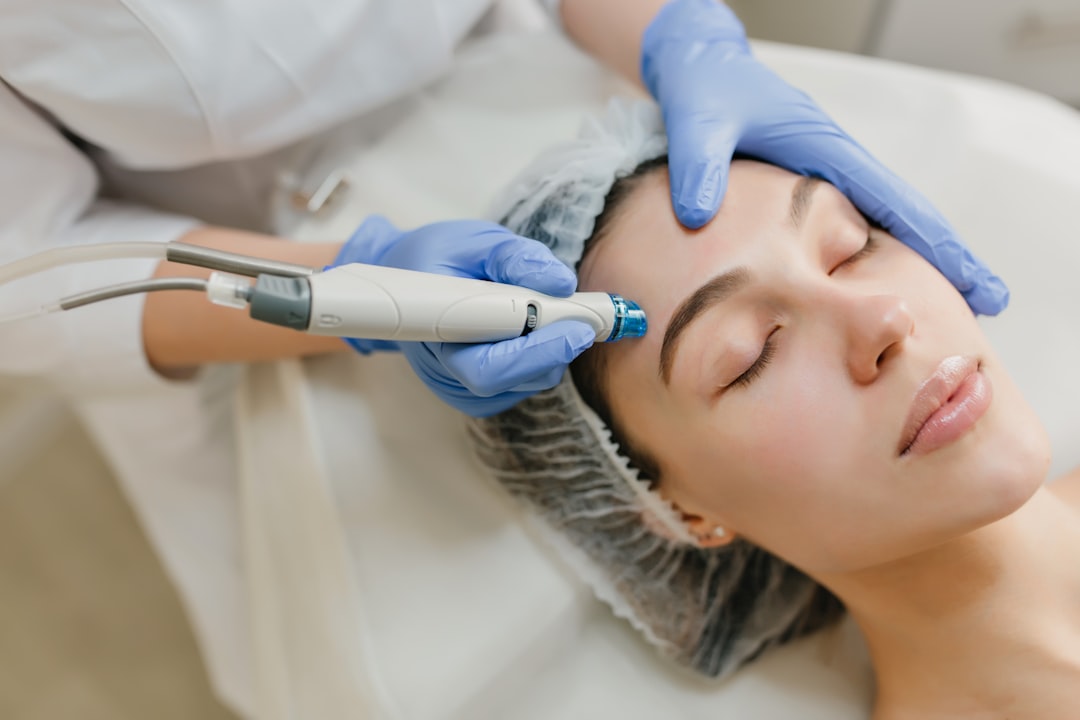
If you've just had Mohs surgery, congratulations — you took skin cancer seriously and got it treated. But your job isn't done yet. What you do in the days and weeks after surgery matters almost as much as the procedure itself, especially here in South Florida, where heat and humidity can slow healing and raise the risk of infection if you're not careful.
We treat a lot of basal cell carcinoma and squamous cell carcinoma patients with Mohs surgery at our Miami, Parkland, and Tamarac offices, and one of the most common questions we get afterward is simple: how do you treat a wound after skin cancer removal when you live somewhere this hot and sticky? Here's what we tell our patients.
**Keep the wound moist, not dry**
It sounds backwards, but a dry wound actually heals slower and scars more. Cover the area with a thin layer of a healing ointment and a fresh bandage daily, unless your surgeon gives you different instructions. We often recommend comparing options like Aquaphor and CeraVe healing ointment — we break down the differences in this comparison of Aquaphor versus CeraVe, which patients find genuinely helpful when they're standing in the pharmacy aisle unsure what to grab.
**Sweat is your biggest enemy right now**
South Florida heat means sweating even when you're not trying. Sweat sitting on a fresh surgical wound creates the perfect environment for bacteria and can delay healing. Avoid strenuous exercise for at least a week or two (your surgeon will tell you exactly how long based on your procedure), and if you do sweat, gently clean the area with mild soap and water rather than letting moisture sit.
**Sun protection isn't optional**
New scars are extremely sensitive to UV exposure and can darken permanently if they're exposed to sun too early. Keep the area covered with clothing or a bandage whenever you're outside, and once your surgeon clears you for sunscreen, use a broad-spectrum SPF religiously. We've written before about how certain spots get missed with sunscreen application — don't let your healing incision be one of them.
**Watch for signs of infection early**
South Florida's rainy season humidity makes wound infections more likely and harder to catch early. Redness that spreads, increasing pain, warmth, swelling, or any pus-like drainage are all reasons to call your dermatologist right away, not wait it out. We'd genuinely rather hear from you and reassure you than have you deal with a complication alone.
**Stay out of pools and the ocean**
We know it's tempting to cool off, but submerging a healing wound in pool or ocean water introduces bacteria your skin doesn't need right now. Wait until your surgeon gives you the all-clear — we've covered this in detail in what could go wrong with ocean swimming after a skin procedure.
**Follow-up care matters just as much as the surgery**
Mohs surgery has one of the highest cure rates of any skin cancer treatment, but that only holds true if the wound heals properly and you keep up with follow-up visits. Dr. Ayar and our team will check your healing progress and make sure everything is on track, and we'll always tell you straight if something needs extra attention.
If you've had a spot removed and you're unsure whether your healing is progressing normally, or if you're overdue for a full-body skin exam to catch anything else early, give us a call. We keep wait times short, explanations clear, and we never make you feel silly for asking questions — even the ones that feel obvious.
Blog
More from The Derm Journal
Read the latest insights on skin health and dermatology.

Offices
Locations
Visit us in South Florida at any of our three convenient locations