
Dermatologist-Approved Answers to South Florida's Trickiest Sunscreen Questions
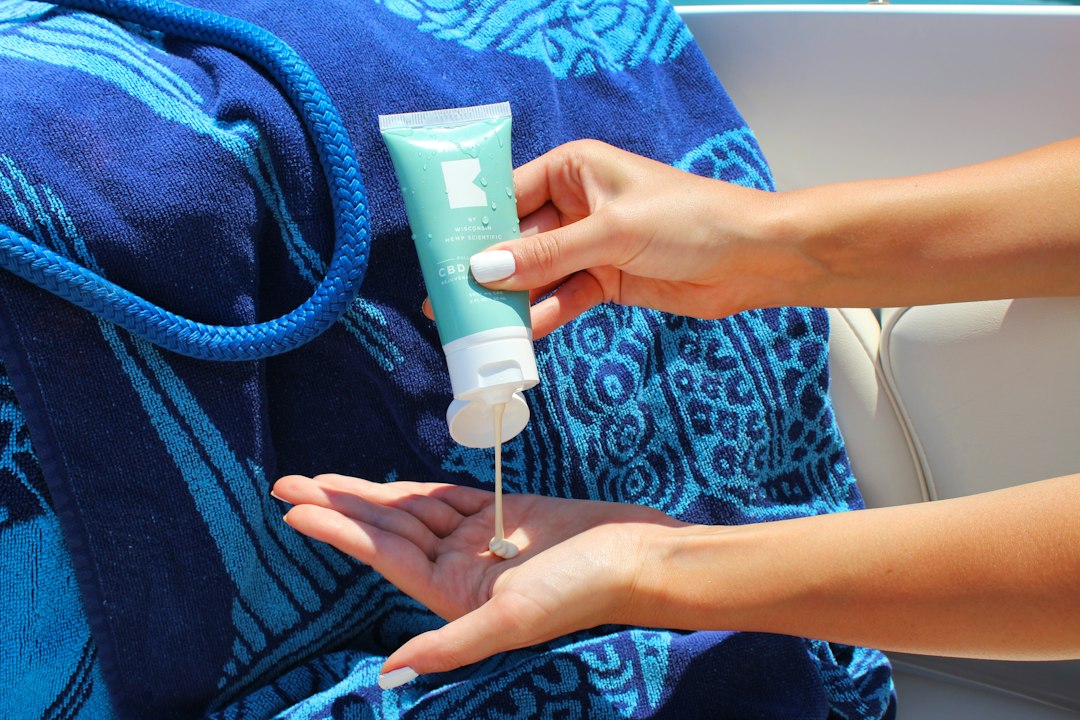
If you live in South Florida, you've probably had a more complicated relationship with sunscreen than almost anyone else in the country. You're applying it in January and July. You're reapplying after the pool, after the ocean, after sweating through a 9 a.m. run that already feels like noon. And yet patients still walk into our Miami, Parkland, and Tamarac offices with sunburns, sun spots, and questions they've been too embarrassed to Google.
So we're answering them here, plainly, the way Dr. Ayar would in the exam room.
**What sunscreen do dermatologists recommend?**
Most dermatologists, including our team, recommend a broad-spectrum mineral or mineral-hybrid sunscreen with SPF 30 or higher. "Broad-spectrum" means it blocks both UVA rays (the ones that age your skin) and UVB rays (the ones that burn it). Zinc oxide and titanium dioxide are the active ingredients we trust most because they sit on top of the skin and physically reflect UV rays, rather than absorbing into your bloodstream the way some chemical filters do.
That said, the "best" sunscreen is the one you'll actually wear every single day. We'd rather you reliably use an SPF 30 chemical sunscreen than own an SPF 50 mineral one that sits in your medicine cabinet because you hate the white cast.
**What's the best sunscreen for Florida sun specifically?**
Florida sun isn't like sun anywhere else in the country, and it deserves its own strategy. The UV index here regularly hits "extreme" levels, even on cloudy or hazy days, and most people drastically underestimate how much sun they're getting during normal errands, not just beach days.
The best sunscreen for Florida sun checks these boxes:
- Broad-spectrum protection against UVA and UVB
- SPF 30 minimum, though we often recommend SPF 50 for daily drivers, boaters, golfers, and anyone outdoors for long stretches
- Water-resistant for 40 to 80 minutes if you're swimming or sweating
- A texture you'll actually tolerate under Florida humidity, whether that's a gel, a lotion, or a stick
We've written in detail about why sunscreen habits matter so much for South Florida runners, since sweat and reapplication timing trip up even people who think they're doing everything right.
**Why am I still getting sun spots if I wear sunscreen daily?**
This is one of the most common things we hear, and it's rarely because the sunscreen "doesn't work." It's almost always one of a few things: not applying enough (most people use a quarter of the amount they need), missing spots like the ears, hairline, and tops of the feet, or not reapplying after sweating it off during a Florida afternoon. We break this down patient by patient in our piece on why daily sunscreen users still get sun spots, and it's worth a read if you've been diligent but still seeing new discoloration.
**Are spray sunscreens actually effective here?**
Honestly, we're skeptical of them, and we're not alone. Sprays are easy to under-apply, hard to use evenly, and prone to blowing away in the wind off the water. If you love the convenience of a spray, at minimum rub it in after spraying and double up your coverage. We go into more depth on this in why sunscreen sprays are failing South Florida beachgoers.
**Should I use tinted sunscreen or clear?**
If you deal with melasma, post-acne marks, or any form of hyperpigmentation (extremely common in our South Florida patients), tinted sunscreen with iron oxide offers an extra layer of protection that clear sunscreen simply doesn't. Visible light from the sun can worsen melasma, and iron oxide is one of the only ingredients that blocks it. We compare the two directly in tinted versus clear sunscreen for South Florida.
**Does it matter when I put sunscreen on in my routine?**
Yes, more than most people realize. Sunscreen generally goes on last, after your moisturizer and any treatment products, so it can form an even protective film. Apply it too early or layer it under something heavy and you can actually reduce how well it works. We walk through the full order in why sunscreen layering order matters more than the SPF number.
**What about the spots everyone forgets?**
Ears, the back of the neck, the part in your hair, the tops of the feet in sandal season. We see sun damage and even skin cancers in these exact spots constantly. We cover the most commonly missed areas in forgotten sunscreen spots South Florida dermatologists always notice.
**I got burned anyway. Now what?**
It happens, even to careful people. Cool compresses, gentle moisturizer, and avoiding further sun exposure are your first moves. We outline the full recovery process in after-sun skin care we actually recommend.
**The bottom line**
Sunscreen isn't a once-a-year decision you make before a beach trip. In South Florida, it's a daily habit that needs to hold up against humidity, sweat, saltwater, and some of the most intense UV exposure in the country. If you're unsure whether your current routine is actually protecting you, or if you've noticed new spots, moles, or changes you can't explain, it's worth getting a professional set of eyes on your skin. Our full-body skin exam is one of the easiest ways to catch sun damage early, before it becomes something more serious. We're here in Miami, Parkland, and Tamarac, and we'd genuinely rather answer your "dumb question" now than treat a problem later.
Blog
More from The Derm Journal
Read the latest insights on skin health and dermatology.

Offices
Locations
Visit us in South Florida at any of our three convenient locations