
Why South Florida's Intense UV Exposure Speeds Up Skin Aging (And What You Can Do About It)

If you've lived in South Florida for any length of time, you've probably noticed how quickly the sun takes a toll. Friends who moved here from the Midwest or Northeast often comment on how much faster their skin seems to age compared to peers back home. That's not just perception. South Florida's intense, year-round UV exposure genuinely speeds up the visible signs of skin aging.
Whether you spend time at the beach, drive with the windows down, or simply walk from your car to the grocery store, your skin is under constant UV assault. Over time, that exposure adds up. Lines deepen, pigmentation becomes uneven, texture changes, and the skin loses its youthful resilience.
The good news is that understanding how UV accelerates aging can help you take meaningful steps to protect your skin and preserve a healthier, more youthful appearance for years to come.
Why South Florida's UV Exposure Is Different
South Florida sits at a latitude that delivers high-intensity UV radiation year-round. Unlike northern states where UV levels drop significantly in fall and winter, here the sun remains strong even in cooler months. Add in our proximity to the equator, reflective surfaces like water and sand, and long sunny days, and you have a climate uniquely challenging for skin health.
- Year-round UV intensity: In cities like Tamarac, Parkland, and Miami, UV index levels regularly reach high or very high ratings, even in December and January.
- Outdoor lifestyle: South Floridians spend more time outdoors year-round compared to those in colder climates, increasing cumulative UV exposure.
- Reflective environments: Water, sand, and even pavement reflect UV rays back onto the skin, amplifying exposure during everyday activities.
- Heat and humidity: These factors can weaken the skin's natural barrier over time, making UV damage even more impactful.
This combination creates the perfect environment for what dermatologists call photoaging, the premature aging of skin caused primarily by ultraviolet radiation.
How UV Radiation Ages Your Skin
UV radiation doesn't just cause sunburn. It penetrates deep into the skin, damaging cellular DNA, breaking down collagen and elastin fibers, and triggering inflammatory processes that accelerate aging.
Over time, this damage manifests in several visible ways:
- Fine lines and wrinkles: UV breaks down collagen, the protein that keeps skin firm and smooth. Loss of collagen leads to sagging and wrinkling, especially around the eyes, mouth, and forehead.
- Uneven pigmentation: Sun exposure triggers irregular melanin production, leading to dark spots, sunspots, and patches often called hyperpigmentation or sun spots.
- Rough, leathery texture: Chronic UV exposure thickens the outer layer of skin and damages underlying supportive structures, creating a coarse, leathery appearance.
- Visible blood vessels: UV can weaken blood vessel walls, leading to broken capillaries and redness, particularly on the cheeks and nose.
- Loss of elasticity: Elastin fibers that allow skin to bounce back degrade under UV stress, leaving skin looser and less resilient.
These changes don't happen overnight. Photoaging is cumulative, building over years of unprotected sun exposure. But even if you're already seeing signs of UV damage, it's not too late to intervene and slow the process.
Preventing and Treating UV-Related Skin Aging
The most effective way to prevent photoaging is consistent, daily sun protection. In South Florida, this isn't optional. It's essential.
Daily sun protection strategies:
- Broad-spectrum SPF 30 or higher: Apply sunscreen every morning, even on cloudy days. Reapply every two hours if you're outdoors. For detailed guidance, read our post on how to protect your skin from sun damage year-round.
- Protective clothing: Lightweight, long-sleeved shirts, wide-brimmed hats, and UV-blocking sunglasses can shield your skin during extended outdoor time.
- Seek shade: Especially between 10 a.m. and 4 p.m., when UV intensity peaks.
- Use antioxidants: Topical vitamin C and other antioxidants can help neutralize free radicals generated by UV exposure.
Treatment options for existing photoaging:
If you're already noticing signs of UV-related aging, several treatments can help improve skin texture, tone, and firmness. Dr. Angelo Ayar and the team at Dermatology Experts work with patients throughout Broward and Miami-Dade counties to develop personalized plans that address visible aging while protecting skin health.
- Prescription retinoids: These vitamin A derivatives can stimulate collagen production, improve skin texture, and reduce the appearance of fine lines and dark spots.
- Chemical peels: Professional-grade peels can remove damaged outer layers of skin, revealing fresher, more even-toned skin beneath.
- Laser treatments: Certain laser therapies target pigmentation, stimulate collagen, and improve overall skin tone and texture.
- Medical-grade skincare: Customized regimens combining active ingredients like retinoids, antioxidants, and hydroquinone can address multiple signs of photoaging.
These treatments work best when combined with consistent sun protection. Without daily SPF use, new damage will continue to accumulate, undermining your results.
How Dermatology Experts Helps South Florida Patients Protect and Restore Their Skin
At Dermatology Experts, we understand the unique challenges South Florida's climate presents. Dr. Ayar, a board-certified dermatologist trained at the University of Michigan, regularly treats patients in Tamarac, Parkland, and Miami who are concerned about visible signs of aging related to sun exposure.
During your consultation, we'll assess your skin's current health, discuss your history of sun exposure, and help you understand which changes are related to UV damage. From there, we'll work with you to create a plan that may include prescription treatments, in-office procedures, and a personalized skincare routine designed to protect and restore your skin.
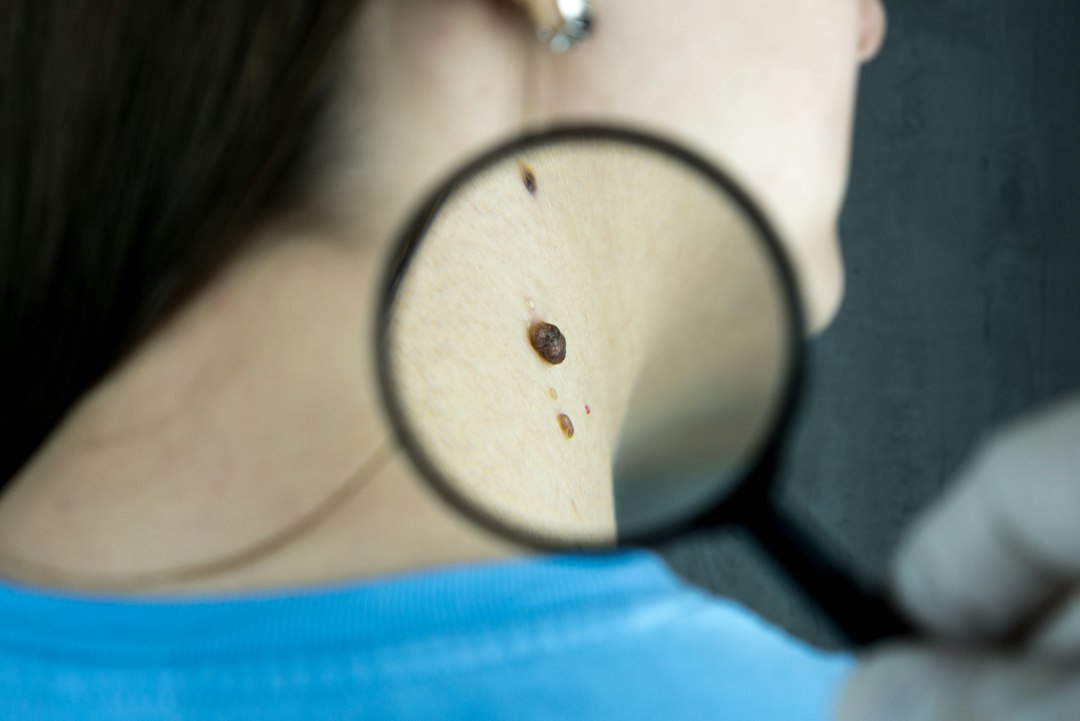
We also emphasize the importance of regular skin cancer screenings, especially for patients with significant sun exposure. Photoaging and skin cancer risk often go hand in hand, so monitoring your skin's health is a critical part of any comprehensive approach.
If you've been noticing more lines, dark spots, or changes in your skin's texture and resilience, you're not alone. Many of our patients share the same concerns. The earlier you address photoaging, the more you can do to slow its progression and maintain healthier, more youthful-looking skin.
Ready to take control of how the South Florida sun affects your skin? Call Dermatology Experts at (954) 726-2000 or visit us online to schedule a consultation at our Tamarac, Parkland, or Miami location. Let's create a plan that protects your skin today and for the years ahead.
More from The Derm Journal
Read the latest insights on skin health and dermatology.


Locations
Visit us in South Florida at any of our three convenient locations