
Why South Florida's Back-to-School Season Means More Molluscum and Skin Infections in Kids

If your child came home from school this spring with small, flesh-colored bumps on their arms, torso, or face, you're not alone. Every year as South Florida families settle back into school routines, pediatric dermatology offices see a familiar surge in one particular condition: molluscum contagiosum. Add in the region's heat, humidity, shared sports equipment, and crowded classrooms, and kids' skin infections of all kinds tend to flare this time of year.
The good news is that most of these infections are very treatable. Knowing what to look for and when to see a dermatologist can save your child weeks of discomfort and stop the spread before it reaches the rest of the household.
What Is Molluscum Contagiosum and Why Does It Spread So Fast in Schools?
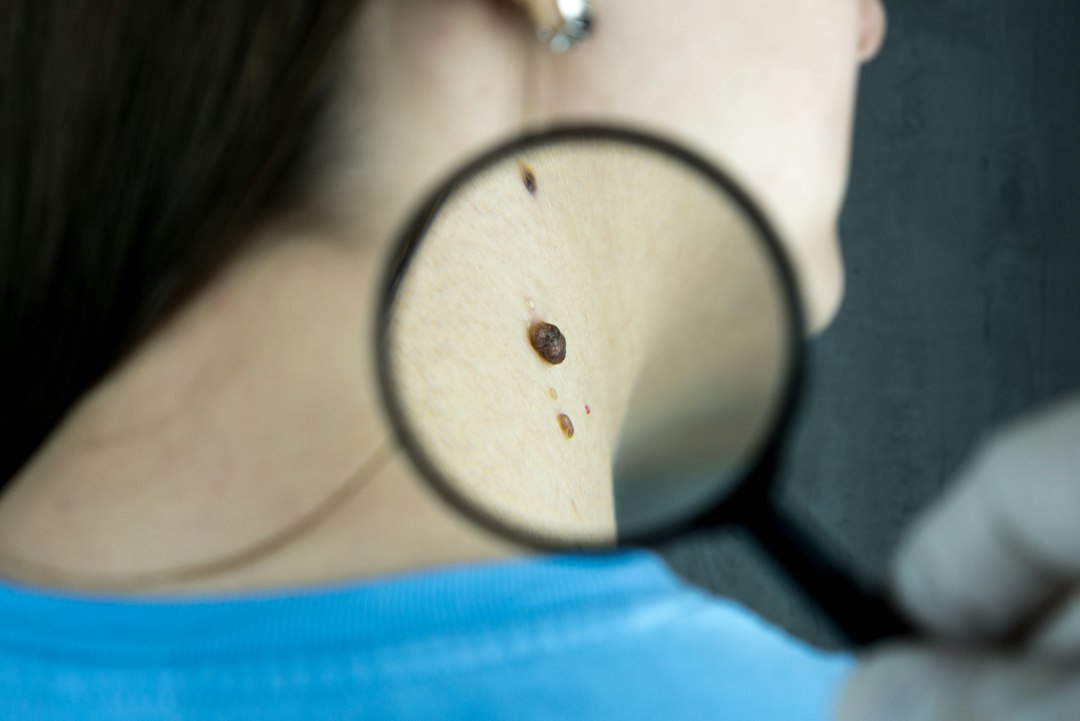
Molluscum contagiosum is a common viral skin infection caused by a poxvirus. It produces small, round bumps with a dimple in the center. These bumps are typically painless, but they can itch, become inflamed, or spread to other areas of the body through scratching.
It spreads through direct skin-to-skin contact or by touching contaminated surfaces like towels, clothing, or sports equipment. That's exactly why school environments are such fertile ground for outbreaks.
- Shared towels and gym clothes pass the virus between kids quickly
- Pool and locker room surfaces are high-risk, especially with South Florida's year-round swim culture
- Contact sports like wrestling, gymnastics, and soccer create frequent skin-to-skin contact
- Scratching spreads the virus to new areas on your child's own body, a process called autoinoculation
- Kids with eczema are at higher risk because their skin barrier is already compromised
If your child has eczema and is also dealing with molluscum, the combination can be especially frustrating. Our blog post on why South Florida's humidity triggers eczema flare-ups explains how the environment can compound things further.
Other Skin Infections That Spike During Back-to-School Season
Molluscum isn't the only skin infection that circulates in school settings. South Florida's warm, humid conditions create an environment where bacteria and fungi thrive well past the summer months.
Impetigo
- A bacterial infection that causes honey-colored crusted sores, usually around the nose and mouth
- Spreads through direct contact and commonly affects children in daycare and elementary school settings
- Can be triggered or worsened by insect bites, cuts, or any break in the skin
Tinea (Ringworm and Athlete's Foot)
- Ringworm is a fungal infection, not an actual worm, that causes a circular, scaly rash on the skin or scalp
- Athlete's foot thrives in warm, moist environments like locker rooms, pool decks, and shared shower areas
- South Florida's heat and humidity make fungal infections particularly persistent year-round
Warts (HPV)
- Common warts caused by certain strains of HPV spread through direct contact or contaminated surfaces
- Often appear on hands and feet, especially in kids who walk barefoot around pools or gym areas
- May go away on their own but can also spread or become painful without treatment
For more on fungal skin infections specifically, our post on why South Florida's heat puts you at higher risk for fungal infections covers what to watch for in both kids and adults.
When to See a Dermatologist for Your Child's Skin Infection
Many parents wonder whether to wait and see or bring their child in. Some skin infections do resolve on their own over time, but there are situations where early treatment makes a real difference.
Consider scheduling an appointment if your child has:
- Bumps that are spreading to new areas of the body or to siblings
- Skin that looks inflamed, red, or painful around existing bumps or sores
- A rash on the scalp, which can indicate tinea capitis and may require oral medication
- Molluscum near the eyes, which can sometimes affect vision if left untreated
- Signs of a secondary infection such as increased redness, warmth, swelling, or discharge
- Warts that are painful or growing, especially on the bottom of the feet
- A child who is scratching constantly, which increases the risk of spreading and scarring
Parents often ask whether molluscum needs to be treated at all. While some cases do clear without intervention, treatment can speed resolution, prevent spread, and reduce the emotional burden these visible bumps place on kids. A dermatologist can discuss the right approach based on your child's age, the extent of involvement, and overall skin health.
How Dermatology Experts Can Help
At Dermatology Experts, Dr. Angelo Ayar and his team see pediatric skin concerns regularly at our Tamarac, Parkland, and Miami locations. Dr. Ayar is a board-certified dermatologist with training from the University of Michigan, and he brings that expertise to every patient, including the youngest ones in the family.
When it comes to children's skin infections, the approach at Dermatology Experts is always to:
- Accurately diagnose the infection before recommending treatment, since different infections require different approaches
- Explain the condition clearly to parents so families understand what to expect and how to prevent household spread
- Offer age-appropriate treatment options that balance effectiveness with your child's comfort
- Provide guidance on when your child can safely return to sports or school activities
We also know that bringing a child in for any medical appointment can feel stressful. Our team works hard to make kids feel comfortable and to make sure parents leave with real answers, not just a handout.
If your child has bumps, a rash, or a skin concern you're not sure about, there's no reason to wait and wonder. Reach out to Dermatology Experts at (954) 726-2000 or visit dermexperts.com to schedule an appointment at the location most convenient for your family.
More from The Derm Journal
Read the latest insights on skin health and dermatology.


Locations
Visit us in South Florida at any of our three convenient locations