
Why South Florida's Back-to-School Stress and Mask-Wearing Are Causing More Cold Sores and Viral Skin Outbreaks in Kids

Is Your Child Coming Home with Cold Sores or Mystery Skin Bumps?
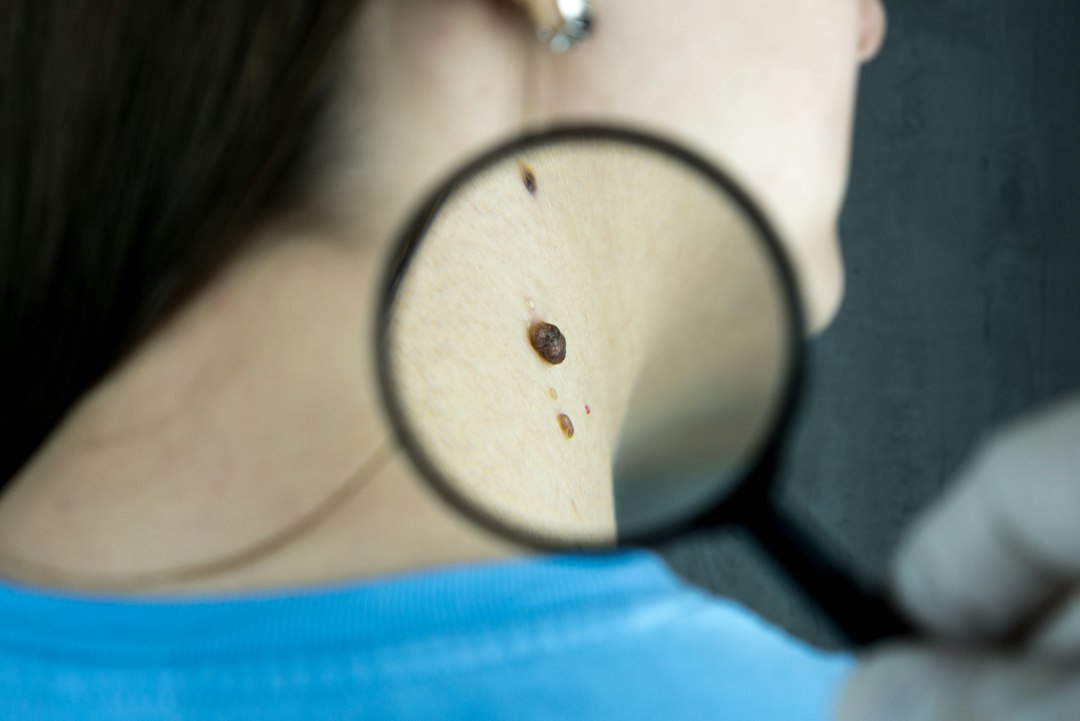
You notice a tingling blister near your child's lip. Or a cluster of small, irritated bumps on their chin or cheek. Maybe it's the third time this school year it has happened. You are not imagining it, and you are not alone.
Every spring in South Florida, pediatric dermatology visits tick upward as kids head back from spring break and into the final stretch of the school year. Close contact in classrooms, shared supplies, extracurricular sports, and the lingering habit of face-touching all create the right conditions for viral skin infections to spread among children.
Cold sores, caused by the herpes simplex virus type 1 (HSV-1), are one of the most common viral skin conditions in children. They are also one of the most misunderstood. Understanding what triggers them, how they spread, and when to see a dermatologist can make a real difference for your child and your family.
Why Cold Sores and Viral Skin Outbreaks Spike in School-Age Kids
HSV-1 is extremely common. Many people are exposed to it during childhood, often before they ever develop a visible sore. Once the virus is present in the body, it stays dormant in nerve tissue and can reactivate under the right conditions. For school-age children, those conditions tend to show up regularly.
Common triggers for cold sore outbreaks in kids include:
- Physical and emotional stress, including end-of-year testing, schedule changes, and social pressures
- Sun exposure, which is nearly unavoidable in South Florida during spring and summer
- Illness or fever, which is why cold sores are sometimes called fever blisters
- Disrupted sleep during busy school seasons
- Skin friction or irritation around the mouth from masks, sports equipment, or face-touching
- Close contact with other children who are actively shedding the virus
South Florida's intense UV index adds an extra layer of risk. Sun exposure to the lips and perioral skin is a well-documented trigger for HSV-1 reactivation. Children spending time outdoors at recess, on sports fields, or at the beach are regularly exposed without adequate lip protection. Applying SPF lip balm can be a simple but meaningful step.
For more on how South Florida's outdoor environment affects skin health in general, see our post on why spring break season puts your skin at risk for serious sun damage.
What Cold Sores and Viral Skin Infections Look Like in Children
Parents sometimes mistake viral skin outbreaks for other common childhood conditions. Knowing what to look for helps you respond quickly and appropriately.
Cold sores (HSV-1) typically present as:
- Tingling, burning, or itching near the mouth before the sore appears
- Small fluid-filled blisters, usually on or around the lips
- Blisters that break open, crust over, and heal within one to two weeks
- Occasional sores inside the mouth during a first infection
- Mild swollen lymph nodes or low-grade fever, especially with a first outbreak
Other viral skin infections commonly seen in school-age children include:
- Molluscum contagiosum, small pearly bumps that spread through skin contact. We covered this in detail in our post on why South Florida's back-to-school season means more molluscum and skin infections in kids
- Hand, foot, and mouth disease, caused by the coxsackievirus, which produces small blisters on the hands, feet, and inside the mouth
- Viral warts, which can spread on shared surfaces and through skin-to-skin contact in locker rooms or pool areas
- Impetigo, a bacterial infection that can follow a cold sore if the blistered area becomes secondarily infected
If you are unsure whether a skin lesion is viral, bacterial, or something else entirely, a board-certified dermatologist can evaluate it accurately and recommend the right approach.
When to See a Dermatologist for Your Child's Cold Sores
Many cold sore outbreaks in children are mild and resolve on their own. But there are situations where a dermatology evaluation is the right call.
Consider scheduling an appointment if your child:
- Is having frequent outbreaks, meaning three or more per year
- Has sores that are unusually large, painful, or slow to heal
- Develops sores near the eyes, which requires prompt evaluation
- Has a weakened immune system due to an underlying condition or medications
- Is an infant or very young toddler with a first suspected HSV outbreak
- Has a sore that appears infected, with increasing redness, warmth, or discharge
- Experiences sores spreading to other areas of the face or body
Antiviral medications, both topical and oral, may be appropriate in certain cases to shorten the duration of an outbreak or reduce how often outbreaks occur. A dermatologist can evaluate whether treatment makes sense for your child's specific situation.
It is also worth noting that children with active eczema face a higher risk of a serious complication called eczema herpeticum, where the herpes virus spreads rapidly over compromised skin. If your child has eczema and develops a sudden widespread blister-like rash, seek care promptly. You can learn more about eczema flare-ups in our post on why humidity and heat in South Florida trigger eczema flare-ups.
How Dermatology Experts Can Help
At Dermatology Experts, Dr. Angelo Ayar and our care team see children and families from across South Florida, including Tamarac, Parkland, Miami, Coral Springs, and the surrounding Broward and Miami-Dade communities. We understand that viral skin conditions in kids can feel stressful for the whole family, and we take the time to explain what is happening, what your options are, and how to help prevent future outbreaks.
Dr. Ayar is a board-certified dermatologist trained at the University of Michigan. Whether your child is dealing with a recurring cold sore, an unusual skin rash, or a viral infection that has not cleared on its own, we can provide an accurate diagnosis and a clear, practical plan.
Our three convenient locations make it easy to get your child seen without a long wait or a complicated referral process. We welcome new patients and families.
If your child has been dealing with cold sores or unexplained skin bumps this season, call us at (954) 726-2000 or visit dermexperts.com to request an appointment. Getting the right diagnosis is always the best first step.
More from The Derm Journal
Read the latest insights on skin health and dermatology.


Locations
Visit us in South Florida at any of our three convenient locations